
What to Eat with Diabetes: The Principles That Matter
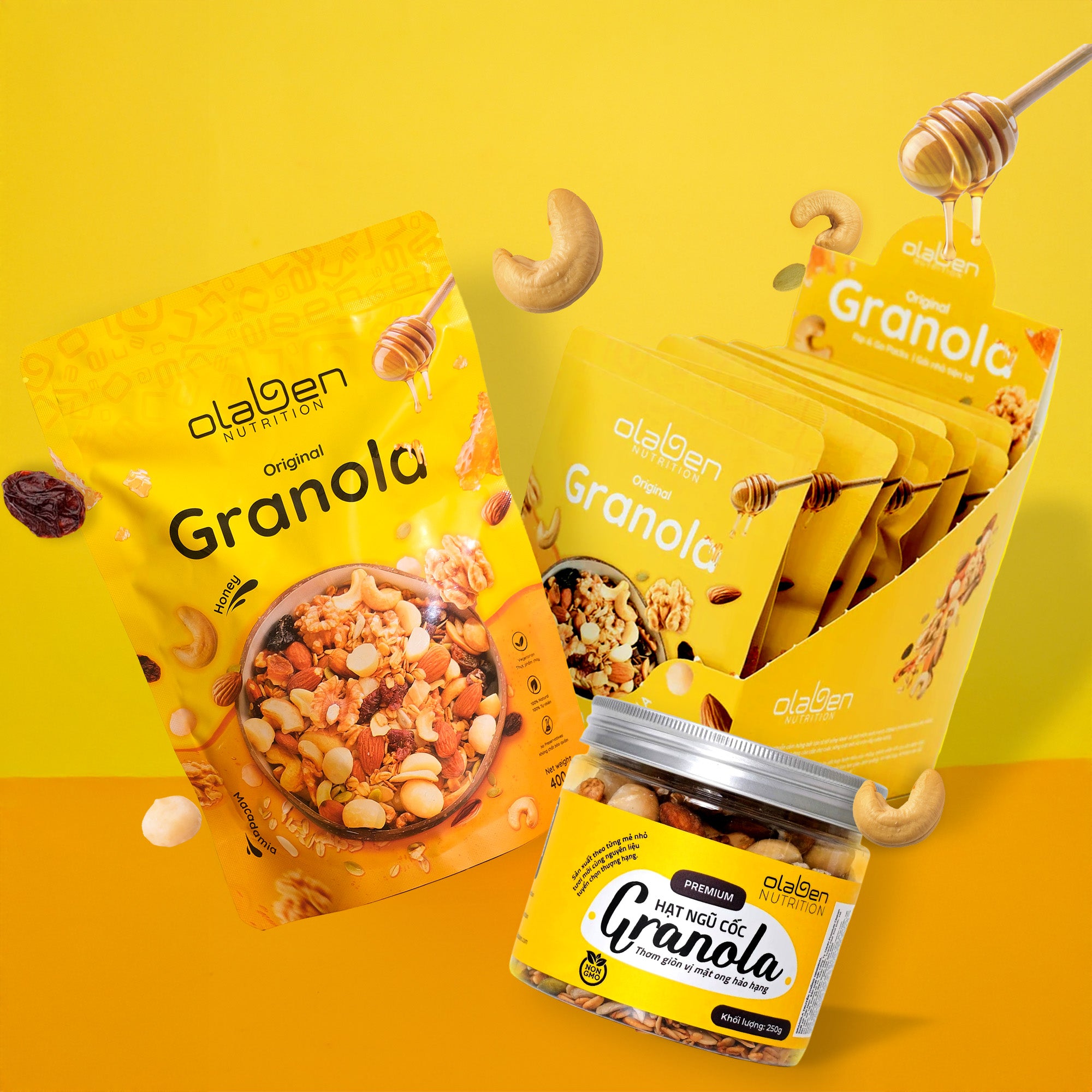
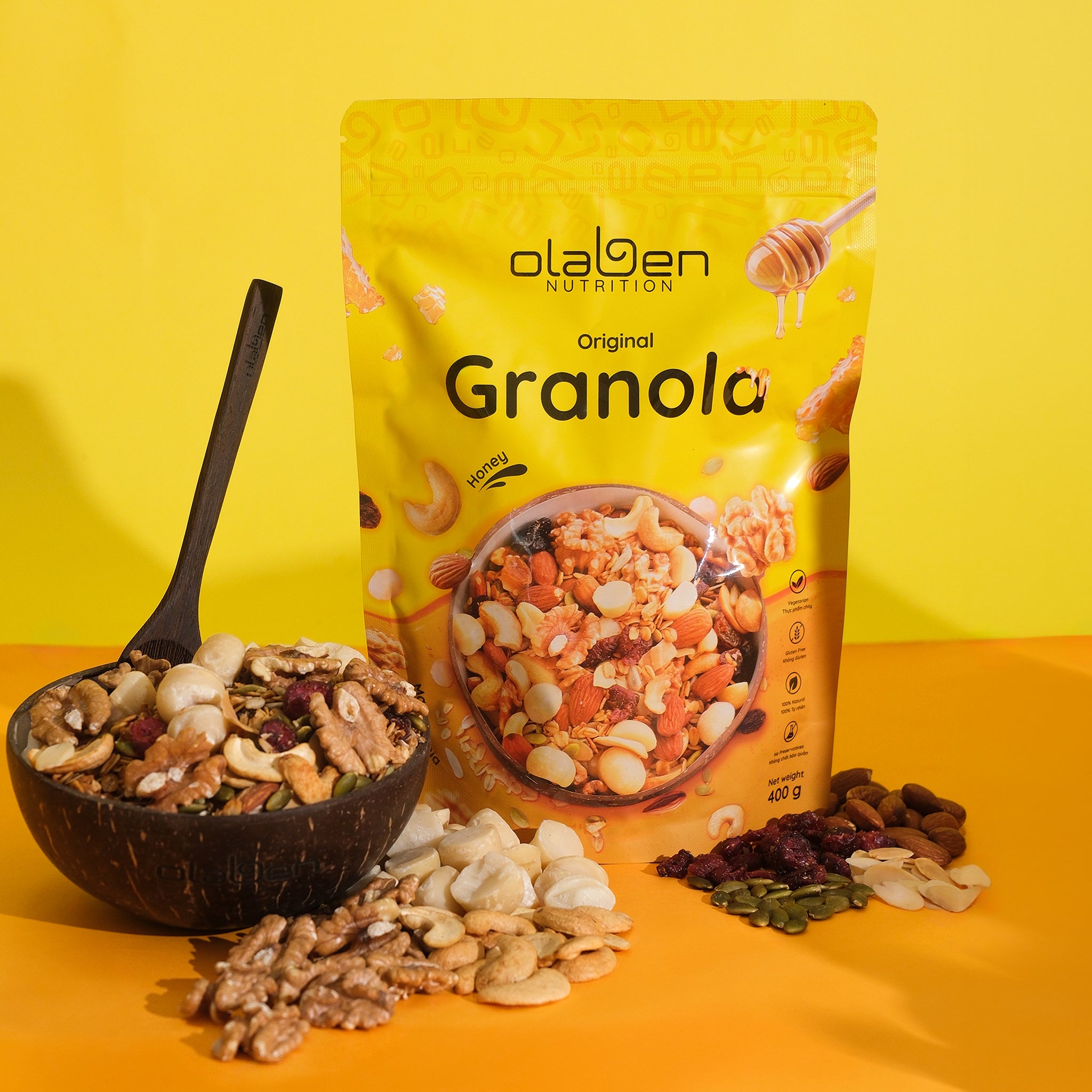
 Image generated with AI — may not represent the actual product.
In short
Managing blood sugar is about how you build a meal, not a forbidden-foods list. Low-GI choices, pairing, portion, and the honest role of whole foods.
The Olaben Kitchen shares recipes and food inspiration only. This is not medical or nutritional advice. If you have a health condition, allergies or specific dietary needs, please consult a qualified professional.
This is general dietary information, not medical advice. Diabetes care is individual. Work with your doctor or a dietitian, and do not change your diet or medication based on an article.
Most “diabetes food lists” miss the point. Managing blood sugar is less about which single foods are allowed and more about how you build a meal: the type of carbohydrate, what you pair it with, and the portion. Get those principles right and the food list mostly takes care of itself. Here are the principles, with the honest caveats.

Principle 1: choose slower carbohydrates
Carbohydrate is what raises blood sugar, but not all carbohydrate does it at the same speed. Slower, lower-GI carbohydrates give a gentler rise, which is easier to manage. The idea is explained fully in our glycemic index guide.
In practice: - Choose whole over refined: brown rice over white, whole oats over instant, wholegrain bread over white. - Legumes are excellent: beans, lentils and chickpeas are low-GI and high-fibre. - Whole fruit, not juice: the fibre in whole fruit slows the sugar; juice removes it.
Principle 2: pair carbohydrate with protein, fat and fibre
This is the single most useful habit. Carbohydrate eaten alone spikes faster; the same carbohydrate with protein, fat or fibre alongside is absorbed more slowly and raises blood sugar less. A bowl of plain granola behaves very differently from granola with Greek yogurt and nuts. The mechanism is in our fibre guide.
So build every meal with a protein and some fibre, not carbohydrate on its own.
Principle 3: portion still decides
Even slow carbohydrates raise blood sugar if the portion is large. Lower-GI choices help, but amount matters too. A measured portion of brown rice is gentler than a huge bowl of it. This is where weighing a serving once, to learn what a normal amount looks like, pays off.

Foods that fit this pattern
- Non-starchy vegetables: the free, fill-up foods. Half the plate.
- Legumes: low-GI, high-fibre protein.
- Whole oats: the beta-glucan slows glucose, which is why oats suit a diabetes-friendly breakfast, covered in what oats do for you.
- Nuts: low-GI, healthy fat, a good snack in a measured portion. See cashews and almonds.
- Whole fruit: yes, fruit is fine in sensible portions; the fibre makes it very different from sugar.
What to limit
- Sugary drinks: the fastest blood sugar spike there is.
- Refined carbohydrates: white bread, sugary cereals, white rice in large amounts.
- Fruit juice, even “natural”, which is sugar without the fibre.
- Watch “diabetic” or “no sugar” products, which can still be high in refined carbohydrate. Read the label per 100g, as in reading a nutrition label.

The honest part
There is no single diabetes superfood, and no food that cancels out blood sugar. Cinnamon, bitter melon and similar folk remedies have, at best, small and inconsistent evidence, and none replaces the basics or your medication. The real levers are the three principles above, applied consistently, alongside the plan your clinician sets. Diet affects blood sugar meaningfully, but it works with treatment, not instead of it.
FAQ
What should a diabetic eat?
Build meals around non-starchy vegetables, a protein, and a slower, lower-GI carbohydrate in a sensible portion, with fibre. There is no single list; the pattern matters more.
Can diabetics eat fruit?
Yes, whole fruit in sensible portions. The fibre slows the sugar. Fruit juice is different and best limited.
Can diabetics eat rice?
Yes, in a measured portion, and brown rice gives a gentler blood sugar rise than white. Pairing it with protein and vegetables helps.
Are nuts good for diabetes?
Nuts are low-GI with healthy fat, and a good snack at a measured portion of about 28 to 30g.
Does any food cure or reverse diabetes?
No. Diet is a powerful tool for managing blood sugar, but it works alongside medical care, not as a cure. Follow your clinician’s plan.
General information, not medical advice.
More from the kitchen
 Plant-Based Eating: Protein and the Nutrients to WatchYou can get enough protein on a plant-based diet, and the complete-protein rule is…
 What to Eat with Diarrhea: Gentle Foods and What to AvoidHydration matters more than any food, then gentle, low-fibre foods while you recover. What…
 Green Tea: Real Benefits, Caffeine, and the Weight-Loss TruthGreen tea is a genuinely good drink with one heavily oversold claim. The antioxidants,…