
Cashews: Benefits, Calories, and Who Should Go Easy
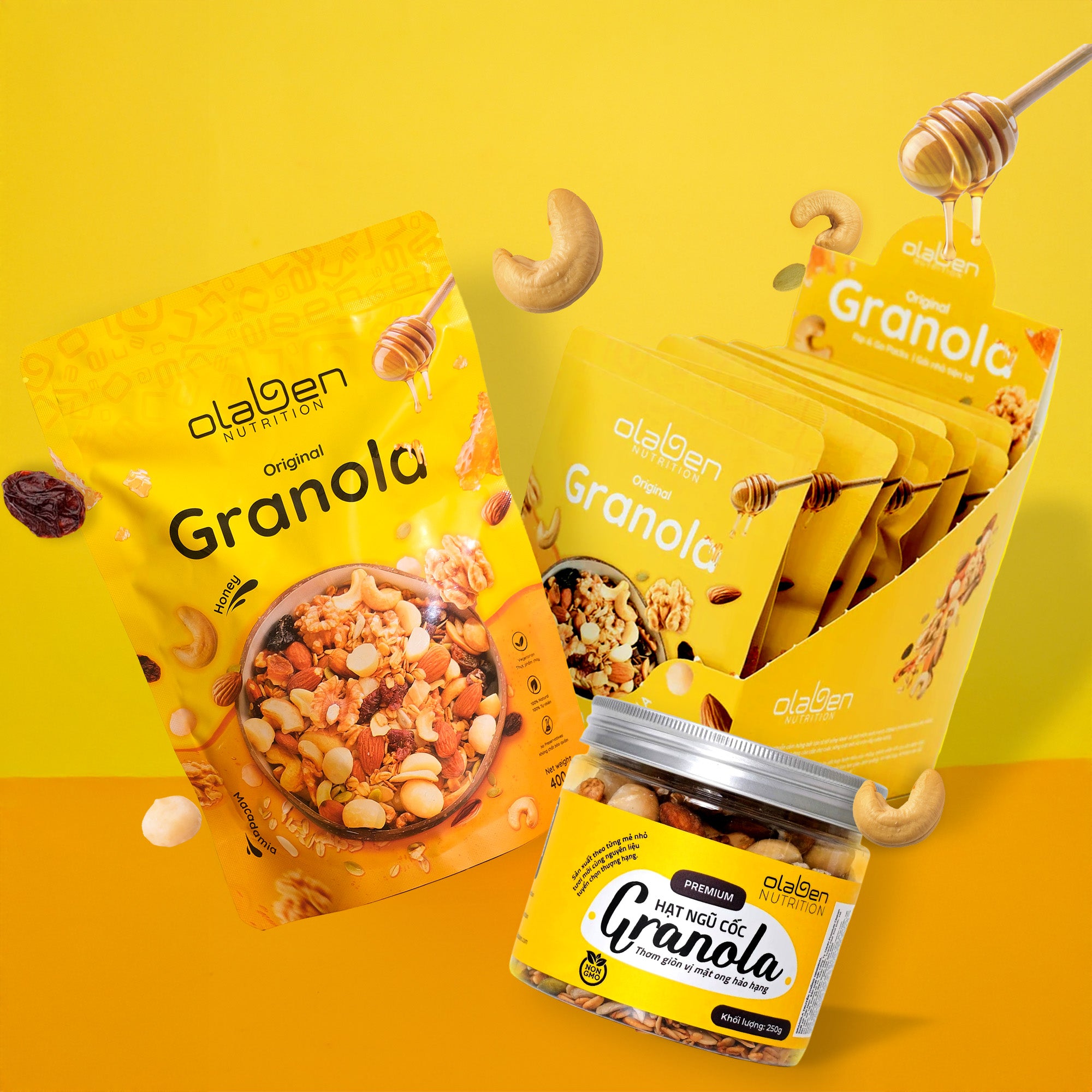
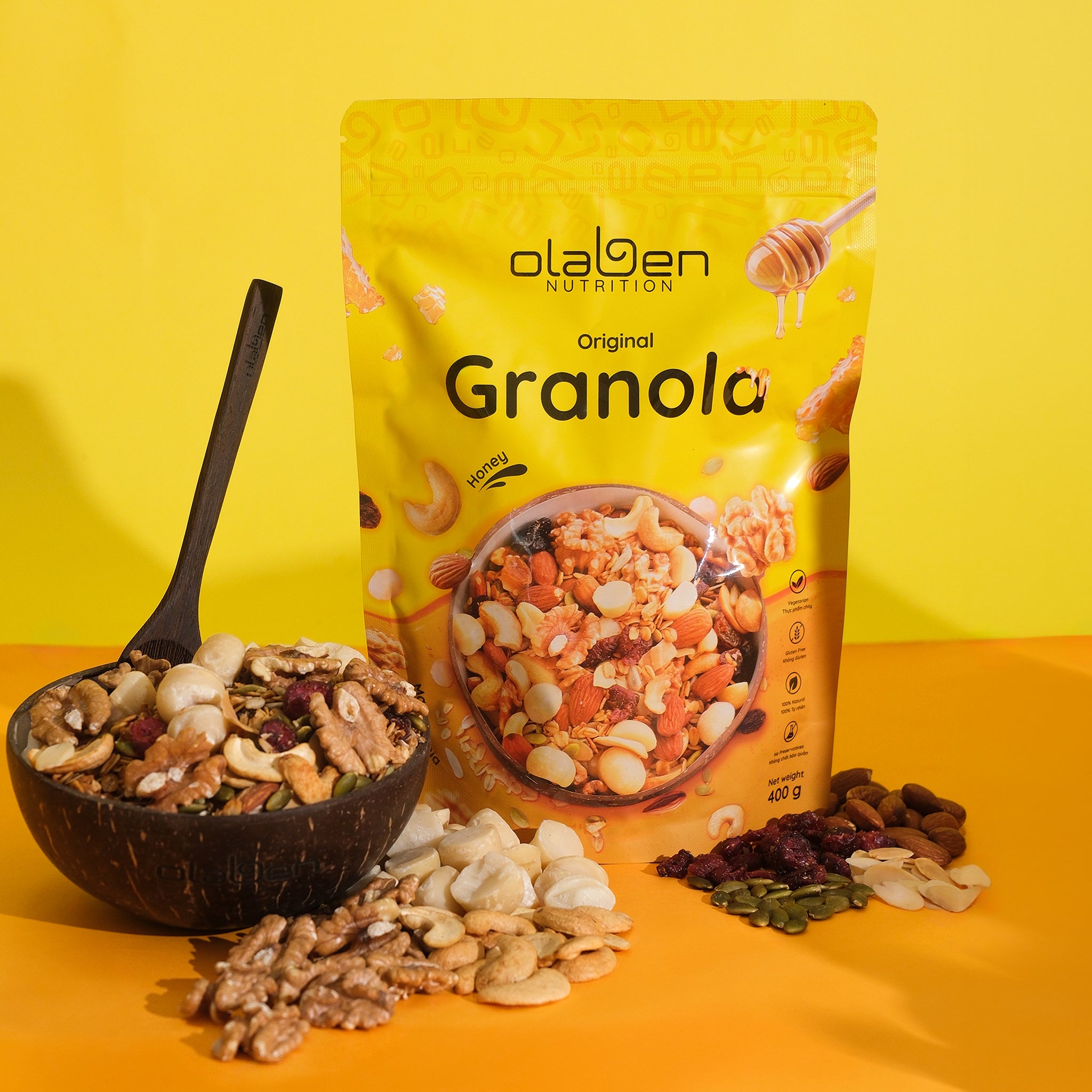
 Image generated with AI — may not represent the actual product.
In short
Cashews are the crowd-pleaser of the nut world: soft, buttery, less bitter than most.
The Olaben Kitchen shares recipes and food inspiration only. This is not medical or nutritional advice. If you have a health condition, allergies or specific dietary needs, please consult a qualified professional.
are the crowd-pleaser of the nut world: soft, buttery, less bitter than most. They are also the one people snack through without noticing, so a bit of honesty about portion helps.
What give you
Per 28g (a small handful, about 18 ): roughly 157 calories, 5g protein, 1g fibre, 12g fat. Most of that fat is monounsaturated, the kind associated with heart health.
Two things stand out. are lower in fibre than most nuts (almonds have about 3.5g per 28g, about 1g), so they are less filling per gram. And they are unusually rich in copper, magnesium, iron and zinc, minerals many diets run short on. Copper in particular: a single serving covers a large share of the daily need.
The fat is slightly lower than in richer nuts like macadamia, which makes a touch less calorie-dense, though “less” is relative when the whole category is energy-dense.

What they are good for
Heart health, modestly. The US FDA allows a qualified health claim that eating about 1.5 ounces (43g) of most nuts a day, as part of a diet low in saturated fat, may reduce heart disease risk. qualify. The effect is real but modest, and it assumes the nuts replace worse snacks rather than pile on top.
Minerals. The copper, magnesium and zinc content is a genuine, boring, useful benefit. Not exciting enough for headlines, which is why it gets skipped, but it is the honest reason earn a place.
Steady energy with protein and fat. As a snack, beat a biscuit because the protein and fat slow things down. Paired into a trail mix, they are a sensible mid-afternoon option.
What are not: a weight-loss food, a cure for anything, or low-calorie. They are a good snack eaten in a small portion.
The calorie and salt traps
The portion problem is real because are soft and moreish, and the lower fibre means less of the fullness signal that stops you. A 28g portion is 157 calories; three absent-minded handfuls is nearly 500.
Then there is salt. Salt-roasted are delicious and easy to over-eat, and the sodium adds up. This is not a reason to avoid them, just to notice: check the sodium per 100g, and treat salt-roasted as a snack, not a staple.
Our own salt-roasted and cocoa are the same story: good in a handful, not by the bag.

Who should go easy
- Tree nut allergy. are a common and sometimes severe allergen. Not a “go easy,” a “do not.”
- Anyone watching calories. Weigh a portion once; 28 to 30g is a serving.
- Watching sodium. Choose unsalted or lightly salted, and check the label.
A note on “raw” : are never sold truly raw, because the raw shell contains urushiol, the same irritant as poison ivy. What is sold as “raw” has been steamed. Nothing to worry about, just a fact people find surprising.
Quick reference
|
|
Per 28g |
|
Calories |
~157 |
|
Protein |
5g |
|
Fibre |
1g (low for a nut) |
|
Fat |
12g, mostly monounsaturated |
|
Standout minerals |
Copper, magnesium, zinc, iron |
FAQ
Are healthy?
Yes, in a small portion. They deliver heart-healthy fats and useful minerals. They are also calorie-dense, so portion decides whether the benefit stands.
How many per day?
A serving is about 28 to 30g, roughly 18 . That is a sensible daily amount.
Do make you gain weight?
Only if they push you over your calorie needs. They are energy-dense and easy to over-eat because they are low in fibre, so portion matters more than with other nuts.
Are salt-roasted bad?
Not bad, but the sodium adds up if you eat a lot. Fine as a snack, worth checking the label if you eat them often.
Are good for cholesterol?
Nuts generally carry a qualified heart-health claim at about 43g a day, replacing worse snacks. The effect is modest but real.
General information, not medical advice. Values are typical and vary by product.
More from the kitchen
 Plant-Based Eating: Protein and the Nutrients to WatchYou can get enough protein on a plant-based diet, and the complete-protein rule is…
 What to Eat with Diarrhea: Gentle Foods and What to AvoidHydration matters more than any food, then gentle, low-fibre foods while you recover. What…
 Green Tea: Real Benefits, Caffeine, and the Weight-Loss TruthGreen tea is a genuinely good drink with one heavily oversold claim. The antioxidants,…