
What Is Oats, and What Does It Actually Do for You?
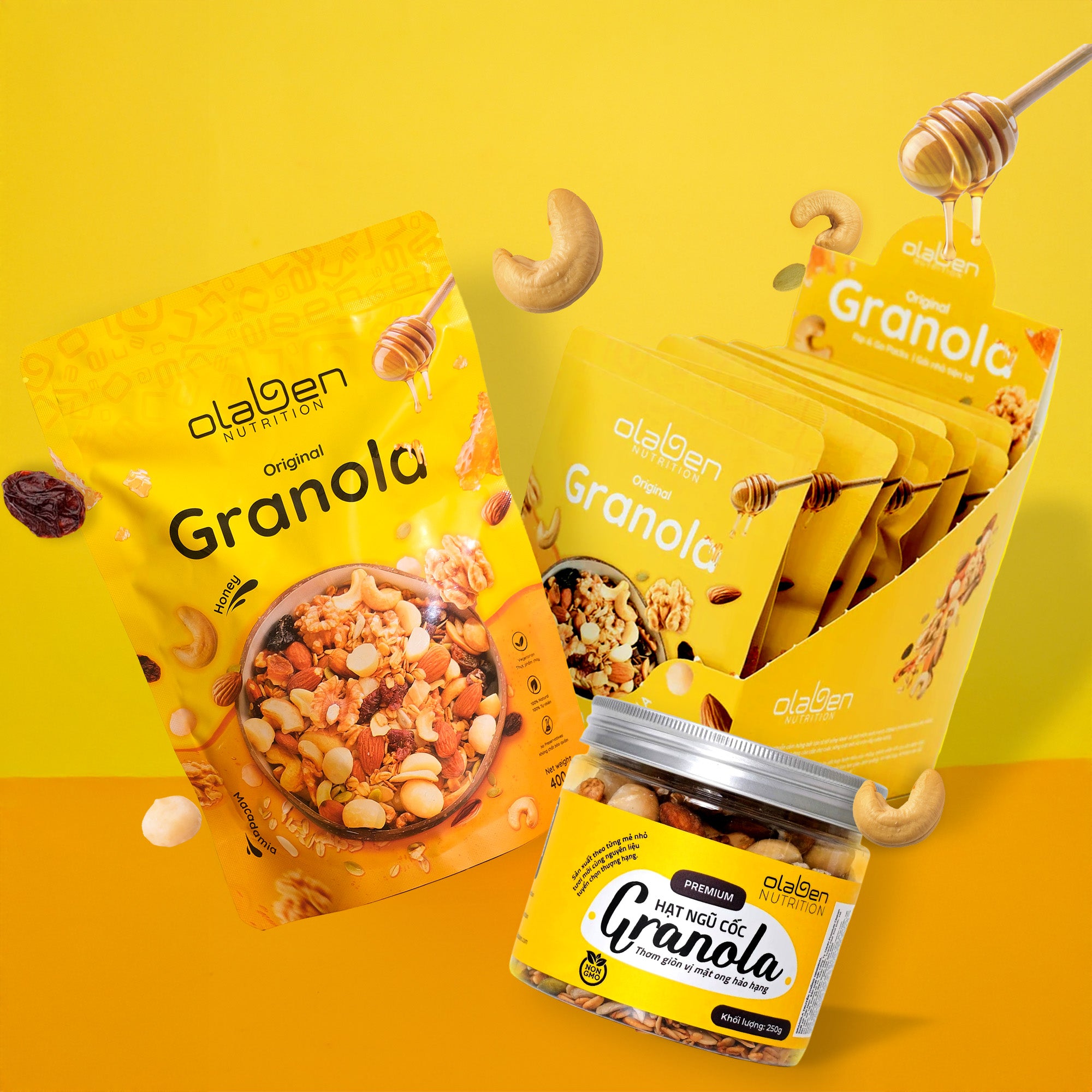
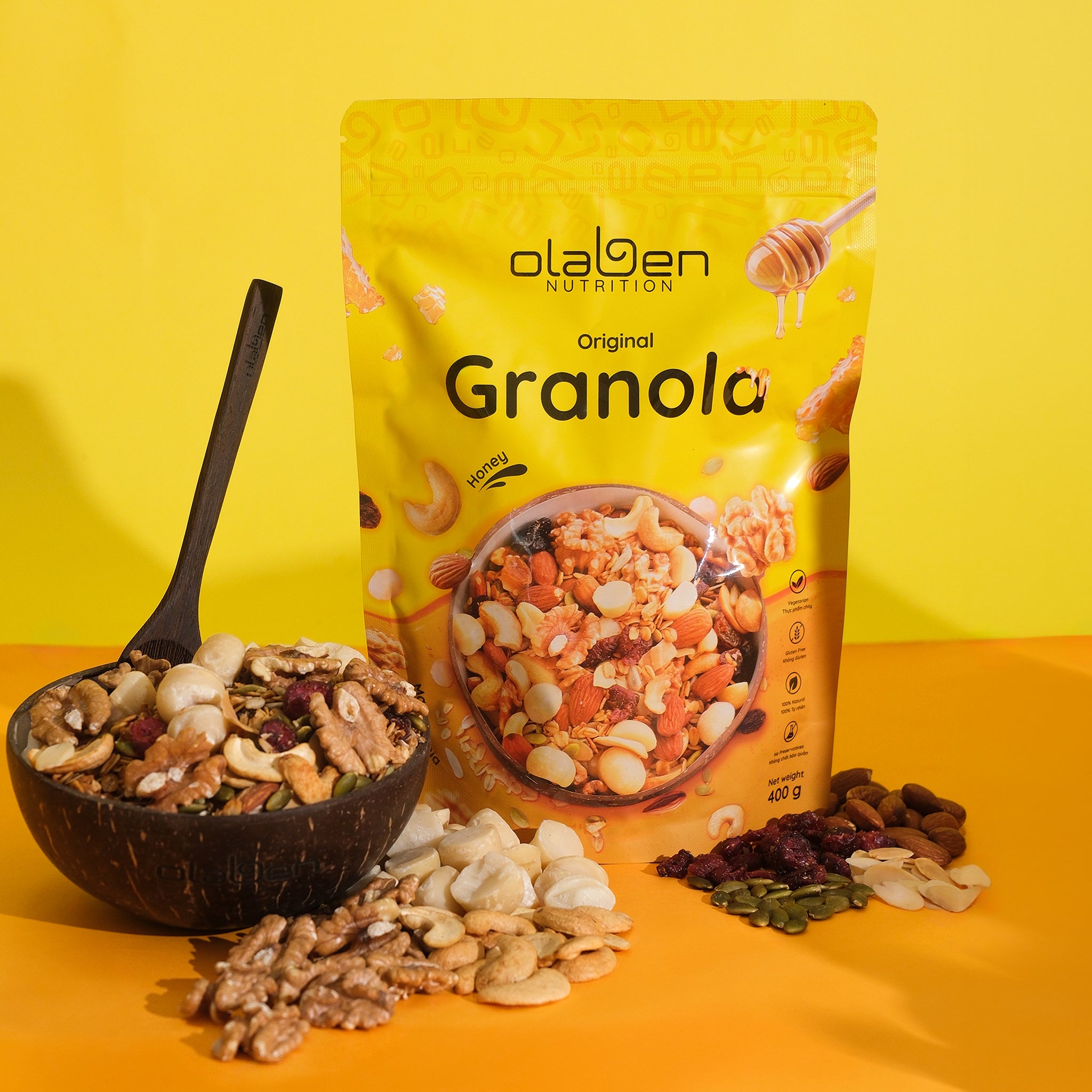
 Image generated with AI — may not represent the actual product.
In short
Oats get called a superfood, which usually means the claims have outrun the evidence.
The Olaben Kitchen shares recipes and food inspiration only. This is not medical or nutritional advice. If you have a health condition, allergies or specific dietary needs, please consult a qualified professional.
Oats get called a superfood, which usually means the claims have outrun the evidence. Oats are the rare case where the headline benefit is actually real and carries a health claim approved by regulators on two continents. The rest is a mix of solid and hopeful, and it is worth knowing which is which.
What oats are
Oats are a whole grain, the seed of Avena sativa. In the bag they are almost always processed into one of a few forms, which change the cooking time and the texture but not much of the nutrition. We cover the differences in oats 101: rolled vs steel-cut.
What makes oats nutritionally distinct from other grains is one specific soluble fibre: beta-glucan. That single compound is behind the one benefit that is genuinely proven.
Per 100g of dry oats: about 389 calories, 13 to 17g protein, 66g carbohydrate, 10g fibre, and 7g fat. The protein figure is high for a grain, and roughly 4g of that fibre is beta-glucan.

The one proven benefit: cholesterol
This is the claim that has been tested properly, repeatedly, and holds up.
The FDA authorised a health claim in 1997 linking oat beta-glucan to reduced heart disease risk. The European Food Safety Authority approved a matching claim. Both landed on the same number: 3g of beta-glucan per day lowers blood cholesterol.
The evidence behind it is strong. A meta-analysis by Whitehead and colleagues in the American Journal of Clinical Nutrition in 2014, pooling 28 randomised controlled trials, found that 3g per day of oat beta-glucan lowered LDL (“bad”) cholesterol by about 0.25 mmol/L and total cholesterol by about 0.30 mmol/L. That is a meaningful drop from a food, not a supplement.
The mechanism is physical. Beta-glucan dissolves into a gel in your gut, binds bile acids, and carries them out. Your body pulls cholesterol from the blood to make more bile, and blood cholesterol falls.
The catch is the dose. You need about 3g of beta-glucan a day, which is roughly 70 to 80g of dry oats, a large bowl. A sprinkle of oats in a smoothie does not get you there. This is the honest part most articles skip: the benefit is real at the studied dose, and the studied dose is a proper serving every day.
The well-supported benefits
Blood sugar. The same beta-glucan gel that traps bile also slows how fast glucose is absorbed. That blunts the post-meal blood sugar spike, which is why oats are a sensible breakfast base, especially paired with protein. Steel-cut and rolled oats do this better than instant, because less processing means a lower glycaemic response. The reasoning is the same one in our fibre guide.
Fullness. Beta-glucan is viscous, so it slows stomach emptying and keeps you fuller for longer. This is a measured effect, and it is the honest basis for oats in weight management, not any fat-burning property.
Digestion. Oats contribute both soluble fibre (beta-glucan) and insoluble fibre, which adds bulk and supports regularity. Most people eat too little fibre, and oats are an easy way to close the gap.
The plausible-but-oversold benefits
Oats are often credited with clearer skin, better immunity and “detox.” These are either topical (oats on the skin, which is a different thing from eating them), extrapolated from the fibre and micronutrients in general, or not really evidenced at all. There is nothing wrong with oats here, but the claims are borrowed, not demonstrated. A food brand should say so.

Quick reference
|
Benefit |
Evidence |
The honest version |
|
Lowers cholesterol |
Strong, approved health claim |
Real, at 3g beta-glucan/day (~70–80g oats) |
|
Steadier blood sugar |
Well supported |
Real, better with less-processed oats + protein |
|
Keeps you full |
Well supported |
Real, from beta-glucan viscosity |
|
Supports digestion |
Well supported |
Real, from total fibre |
|
“Detox” / immunity / skin |
Weak or borrowed |
Not demonstrated for eating oats |
How to actually get the benefit
- Eat a real portion. 40 to 80g dry. For the cholesterol effect specifically, aim toward the higher end, daily.
- Choose less-processed where you can. Rolled or steel-cut over instant, for a gentler blood sugar response.
- Skip the sugar-loaded instant sachets. Flavoured instant oats can carry as much added sugar as a dessert. Check the label per 100g, as in our nutrition label guide.
- Pair with protein. Yogurt, milk, eggs. It steadies blood sugar and keeps you fuller.
Granola is one way to eat oats, though it is baked with oil and sweetener, so it is more calorie-dense than plain oats. What separates a good batch from a sugary one is covered in what is actually in good granola, and our own oat-based range is at the granola collection.
FAQ
What is the main benefit of oats?
Lowering cholesterol, via beta-glucan fibre. It is the one oat benefit with a regulator-approved health claim, at about 3g beta-glucan a day.
Is it good to eat oats every day?
Yes, and daily is actually how the cholesterol benefit was shown. Just watch portion and added sugar.
Are oats good for weight loss?
They help with fullness, which supports eating less overall. They are not a fat-burning food, and dry oats are calorie-dense, so portion still matters.
Which oats are healthiest?
Steel-cut and rolled give a gentler blood sugar response than instant. Nutritionally they are similar; the difference is processing and glycaemic response.
Do oats have gluten?
Oats are naturally gluten-free but are usually cross-contaminated with wheat during processing. People with coeliac disease need certified gluten-free oats. More in who should be careful with oats.
General information, not medical advice. Nutrition values are typical and vary by product.
More from the kitchen
 Plant-Based Eating: Protein and the Nutrients to WatchYou can get enough protein on a plant-based diet, and the complete-protein rule is…
 What to Eat with Diarrhea: Gentle Foods and What to AvoidHydration matters more than any food, then gentle, low-fibre foods while you recover. What…
 Green Tea: Real Benefits, Caffeine, and the Weight-Loss TruthGreen tea is a genuinely good drink with one heavily oversold claim. The antioxidants,…