
Oats 101: rolled, steel-cut and why it matters
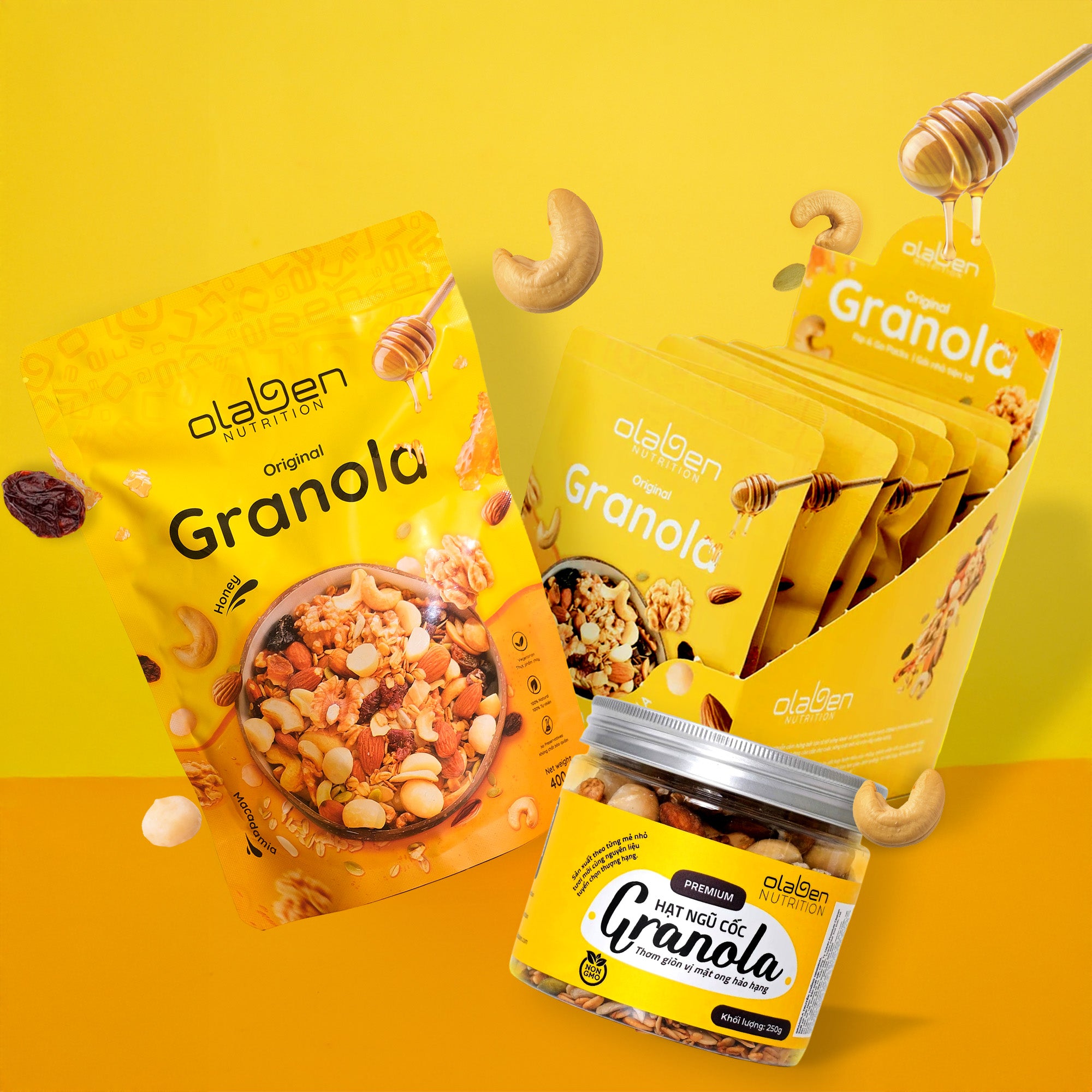
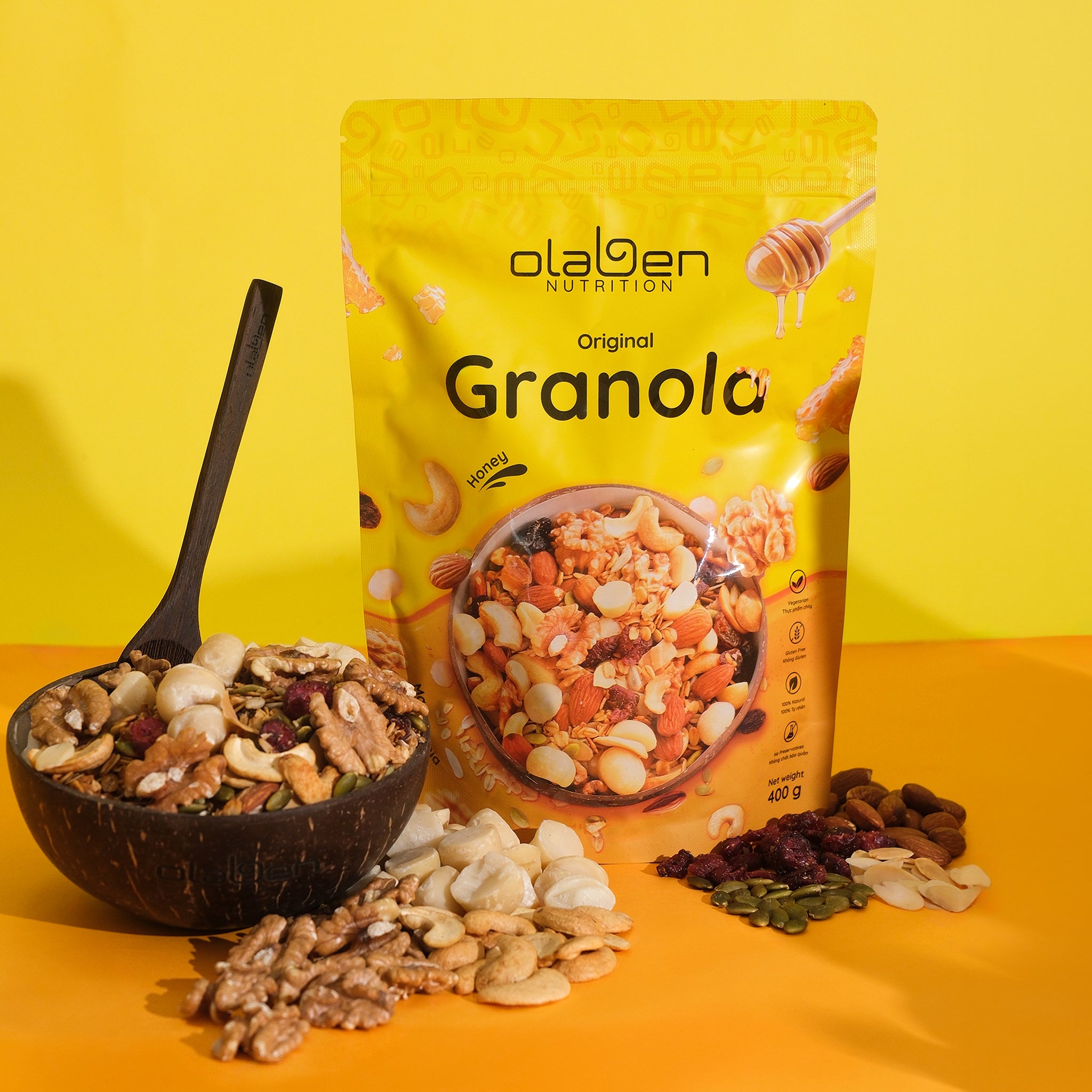
 Image generated with AI — may not represent the actual product.
In short
The Olaben Kitchen shares recipes and food inspiration only. This is not medical or nutritional advice. If you have a health condition, allergies or specific dietary needs, please consult a qualified professional.
Walk down any breakfast aisle and the oat shelf can feel oddly crowded. Steel-cut, rolled, old-fashioned, quick, instant. They all start from the same grain, yet they behave very differently in your bowl and in your body. This guide breaks down the main types of oats, how each one is made, and which one actually fits the way you eat.
How oats are processed
Every type of oat begins as a whole oat groat, which is the hulled, cleaned kernel of the oat grain. The groat keeps the bran, germ and endosperm intact, so it carries the fibre, protein and minerals that make oats worth eating in the first place.
What separates the categories is processing. The more an oat is cut, rolled, steamed or flaked, the faster it cooks and the softer it gets. That convenience comes with a trade-off: more processing usually means the starch is easier for your body to break down, which nudges the glycemic response higher. Nothing is added or removed in the basic forms, so the nutrition stays broadly similar. The texture and the speed of digestion are what change most.

Steel-cut oats
Steel-cut oats, sometimes called Irish or pinhead oats, are simply whole groats chopped into two or three pieces with a steel blade. There is no rolling and no steaming beyond the minimum.
The result is the chewiest, nuttiest oat you can buy. They take roughly 20 to 30 minutes to cook on the stove and hold their shape rather than turning creamy. Because the grain stays dense and intact, steel-cut oats digest slowly and tend to sit lowest on the glycemic scale. They are the choice for anyone who loves a hearty, porridge-with-bite breakfast and does not mind a little planning. You can batch-cook a pot and reheat portions through the week.
Rolled (old-fashioned) oats
Rolled oats are groats that have been steamed and then pressed flat between rollers. The steaming softens the grain so it flattens without breaking, and the flat shape lets it absorb water quickly.
These are the all-rounders. They cook in about 5 minutes, soften nicely while keeping some texture, and work in almost anything: stovetop porridge, baking, overnight oats and granola. Their glycemic index is moderate, sitting comfortably between steel-cut and instant. If you want one oat to keep in the pantry, rolled oats are usually it. They are also the backbone of most good granola, because they toast into clusters and stay crisp.
Quick and instant oats
Quick oats and instant oats are rolled oats taken further. Quick oats are cut smaller and rolled thinner, so they cook in a minute or two. Instant oats are pre-cooked, dried and rolled very thin, which is why they only need hot water and a short stir.
The upside is obvious: speed. The downside is texture and blood sugar. Because the grain is so broken down, instant oats turn soft and almost mushy, and they raise blood sugar faster than the coarser types. Many flavoured instant packets also carry added sugar and salt, so the convenience version is the one to read labels on most carefully. Plain quick oats are a reasonable middle ground when you are short on time but still want to control what goes in.

Comparison table
|
Oat type |
Processing |
Texture |
Cook time |
Glycemic index |
Best use |
|
Steel-cut |
Groats chopped, not rolled |
Chewy, nutty, distinct grains |
20 to 30 min |
Low (around 52 to 55) |
Hearty hot porridge, batch cooking |
|
Rolled (old-fashioned) |
Steamed, pressed flat |
Soft with some bite |
About 5 min |
Moderate (around 55 to 58) |
Porridge, baking, overnight oats, granola |
|
Quick |
Cut smaller, rolled thinner |
Soft, fine |
1 to 2 min |
Moderate to high (around 60 to 65) |
Fast weekday porridge |
|
Instant |
Pre-cooked, dried, very thin |
Soft, often mushy |
Add hot water |
High (around 75 to 80) |
On-the-go, travel, time pressure |
Glycemic index numbers vary by brand, ripeness and what you eat alongside the oats, so treat these as a guide rather than a fixed rule.
Glycemic index and blood sugar
Glycemic index measures how quickly a food raises your blood sugar. Lower numbers mean a slower, steadier rise, which helps with sustained energy and fullness. The pattern across oats is consistent: the less processed the oat, the lower the GI.
You can lower the impact of any oat with a few habits. Pair your bowl with protein and fat, such as yoghurt, nuts or seeds, since these slow digestion. Add fruit for fibre rather than spoonfuls of sugar. And lean toward whole, intact oats when blood sugar control matters to you. The soluble fibre in oats, called beta-glucan, is the same compound linked to lower cholesterol, so eating oats regularly does more than fill you up.
Which oats are healthiest for you
There is no single healthiest oat, because the right answer depends on your morning and your goals.
- For blood sugar and the longest staying power: steel-cut oats win.
- For versatility and everyday value: rolled oats are the safe pick.
- For speed without too much compromise: plain quick oats.
- For genuine emergencies only: instant, ideally unsweetened.
Are oats good for you across the board? Yes. All of these are whole grains and all deliver fibre, slow energy and beta-glucan. The differences are about texture, convenience and how sharply your blood sugar moves, not about one type being junk and another being a superfood.

How Olaben uses oats in granola
At Olaben we build our granola on rolled oats for a reason. They toast into golden, crunchy clusters, hold their shape through baking, and keep a satisfying bite once they cool. We bake them low and slow with real nuts and seeds, keep added sugar restrained, and let the oats do the heavy lifting on fibre and texture.
If you want the goodness of oats without the 30-minute pot, our Olaben granola is the easy route. Try it as overnight oats with granola for a no-cook breakfast, and if you are curious about what separates a good blend from a sugary one, read what is in good granola.
FAQ
Are oats good for you every day?
Yes. Daily oats are linked to better cholesterol and steadier energy thanks to beta-glucan fibre. Just watch added sugar in flavoured instant packs.
Which oats are healthiest?
For blood sugar control, steel-cut sits lowest on the glycemic index. For everyday balance of nutrition and convenience, rolled oats are hard to beat.
Can I swap rolled oats for steel-cut in a recipe?
Not directly. Steel-cut need far more liquid and time. For baking and granola, stick with rolled oats.
Do instant oats have less fibre?
The fibre is broadly similar, but instant oats digest faster, so they raise blood sugar more quickly than coarser types.
Ready to skip the cooking and keep the crunch? Explore the full Olaben granola range and build your perfect bowl.
More from the kitchen
 GuidesHow to Make Salt-Roasted Cashews (Oven Method)Crunchier, less oily, and less salty than store-bought. The brine trick that makes salt…
 GuidesHow to Make Oat Milk at Home (No Slime, No Gum)Homemade oat milk goes slimy for one specific reason. The cold-blend, short-blend, no-heat method…
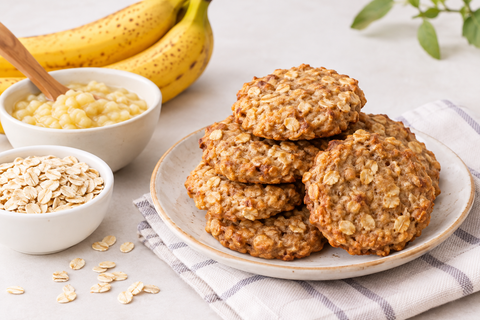 GuidesBanana Oat Cookies: 3 Ingredients, No Flour or SugarRipe banana and oats make a soft cookie with no flour and no added…