
Greek Yogurt: What It Is, How It Differs, and How to Make It
 Image generated with AI — may not represent the actual product.
In short
Greek yogurt has one defining feature, and once you know it, the whole product makes sense: it is regular yogurt with the watery whey strained out.
The Olaben Kitchen shares recipes and food inspiration only. This is not medical or nutritional advice. If you have a health condition, allergies or specific dietary needs, please consult a qualified professional.
Greek yogurt has one defining feature, and once you know it, the whole product makes sense: it is regular yogurt with the watery whey strained out. That single step is behind its thickness, its higher protein, and its price. It is also the reason you can make it yourself from ordinary yogurt in a few hours.
What makes it “Greek”
Start with normal yogurt and strain it through a cloth. The liquid whey drips out, and what stays behind is thicker, denser, and more concentrated. That is Greek yogurt. Nothing is added; something is removed.
Because you have removed water and kept the solids, everything left is concentrated:
- More protein. Around 10g per 100g, against roughly 3.5g in regular yogurt. This is the main reason people choose it.
- Thicker texture, almost like a soft cheese.
- Lower sugar (lactose), because some of the lactose-containing whey drained away. Often easier on people with mild lactose sensitivity.
- Less calcium, the one trade-off, since some calcium leaves with the whey.

“Greek” vs “Greek-style”
This is the label trap worth knowing. Real Greek yogurt is strained. But “Greek-style” yogurt is often thickened with added cream, milk powder or thickeners instead of being strained, to get a similar texture more cheaply. It can have less protein and more fat or additives than the name suggests.
The test is the ingredient list. Real strained yogurt lists milk and cultures. “Greek-style” often lists thickeners or added cream. If protein is why you are buying it, check the protein figure on the label rather than trusting the word “Greek.” Our nutrition label guide covers how.
How to make it at home
You only need plain yogurt and a cloth. It costs a fraction of buying it.
- Line a sieve with a clean cloth or a few layers of cheesecloth, set over a bowl.
- Spoon in plain yogurt (any unsweetened natural yogurt works).
- Refrigerate and let it drain. 2 hours gives a thicker yogurt; 4 or more gives a very thick, Greek-style result; overnight gives something close to cream cheese.
- Keep the whey. Do not pour it away; it is protein-rich and works in smoothies, baking, or cooking rice.
The longer it strains, the thicker and higher in protein per spoon it gets, because more whey has left. You control exactly how thick.
Why it is the ideal granola partner
Greek yogurt and granola are a natural pair, and not just for taste. Granola on its own is a carbohydrate load; the protein in Greek yogurt slows the blood sugar rise and makes the bowl far more filling. It is the single best thing to eat granola with, which is why it appears throughout our recipes, from parfaits to smoothie bowls. The reasoning is the same protein-plus-fibre logic in is granola healthy.
A spoon of Greek yogurt turns a sugary bowl of cereal into a balanced breakfast. Pair it with a low-sugar granola and fresh fruit.
FAQ
What is Greek yogurt?
Regular yogurt with the watery whey strained out, leaving it thicker and higher in protein. Nothing is added; water is removed.
Is Greek yogurt healthier than regular yogurt?
It is higher in protein and lower in sugar, but slightly lower in calcium. For most people the higher protein is the main advantage.
What is the difference between Greek and Greek-style?
Real Greek yogurt is strained. “Greek-style” is often thickened with cream or additives instead, so check the label for protein and ingredients.
Can I make Greek yogurt at home?
Yes. Strain plain yogurt through a cloth for a few hours. Longer straining makes it thicker and higher in protein per spoon.
Why pair Greek yogurt with granola?
The protein steadies the blood sugar rise from the granola and makes the bowl more filling. It is the best partner for granola.
General information, not medical advice. Values are typical and vary by product.
More from the kitchen
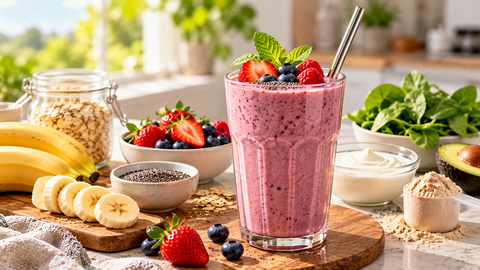 GuidesWeight-Loss Smoothies: How to Make One That Fills You UpMost smoothies are fruit sugar in a glass. How to build one with protein…
 Breakfast for Diabetes: 7 Ideas That Keep Blood Sugar SteadierSeven practical breakfasts built around protein, fibre and slower carbs, plus the breakfast traps…
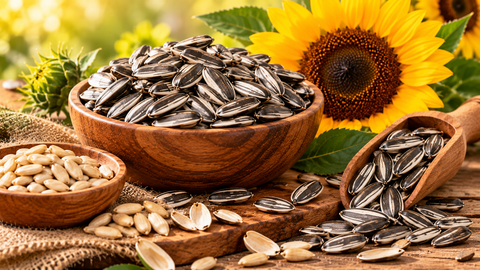 Sunflower Seeds: Benefits, Calories, and the Salt ProblemSunflower seeds are one of the richest food sources of vitamin E. The real…