
What “Eat Clean” Actually Means (And Where It Goes Wrong)
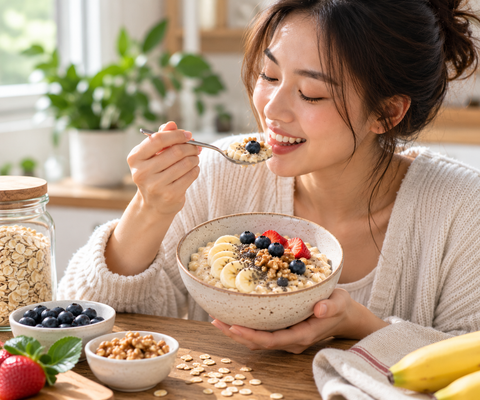
 Image generated with AI — may not represent the actual product.
In short
“Eat clean” is one of those phrases everyone uses and nobody defines the same way. There is no official meaning, no governing body, no fixed rule.
The Olaben Kitchen shares recipes and food inspiration only. This is not medical or nutritional advice. If you have a health condition, allergies or specific dietary needs, please consult a qualified professional.
“Eat clean” is one of those phrases everyone uses and nobody defines the same way. There is no official meaning, no governing body, no fixed rule. That flexibility is why it can be genuinely useful, and also why it sometimes tips into something unhealthy. Here is a sensible version, and an honest warning about where it goes wrong.
What it usually means
Strip away the marketing and clean eating comes down to a few simple ideas:
- Eat mostly whole and minimally processed foods: vegetables, fruit, whole grains, legumes, nuts, eggs, fish, unprocessed meat.
- Cook at home more, so you know what is in your food.
- Limit added sugar, refined carbohydrates and heavily processed foods, rather than banning them.
- Read labels, and choose foods with shorter, recognisable ingredient lists.
That is the whole honest core. It is not a diet in the calorie-counting sense, and it works because whole foods tend to be more filling and nutrient-dense than processed ones, so people naturally eat a bit better without much effort.

What it does not have to mean
This is the part worth saying plainly, because “clean” has picked up baggage.
It does not require expensive superfoods, “detox” products, or cutting out entire food groups. There is no such thing as a “toxin” that clean eating flushes out; your liver and kidneys do that. It does not mean food is either pure or poison. And it absolutely does not mean guilt over a slice of cake.
The word “clean” implies its opposite is “dirty,” and that framing is where the trouble starts.
The trap: when clean eating stops being healthy
Taken too far, clean eating turns into orthorexia, an unhealthy fixation on eating “correctly” that causes real stress and can lead to overly restrictive eating. The signs: anxiety about foods you cannot control, cutting out more and more groups, feeling guilt or shame after normal meals, letting food rules shrink your social life.
A genuinely healthy approach to food is flexible. It has room for a birthday cake and a bowl of chips without a moral crisis. If “eating clean” is making you more anxious rather than more well, it has stopped doing its job. This is the honest counterpoint most clean-eating articles leave out, and it matters more than any food list.
A sensible clean-eating day
Not a rigid plan, just what a balanced day of mostly-whole foods looks like:
|
Meal |
Example |
|
Breakfast |
Oats or granola with yogurt and fruit |
|
Snack |
A handful of nuts or fruit |
|
Lunch |
A grain, a protein, plenty of vegetables |
|
Snack |
Chia pudding or a piece of fruit |
|
Dinner |
Fish or tofu, vegetables, some whole grain |
Notice there is nothing exotic or expensive here. Clean eating done well is mostly ordinary food, cooked at home, with less added sugar.
Where whole-food snacks fit
The hardest part of eating mostly-whole foods is usually snacks, because most convenient snacks are heavily processed. This is where whole-food options earn their place: nuts, plain yogurt, fruit, and a genuinely low-sugar granola do the job that a cereal bar or crisps otherwise would. Just apply the same label-reading here, because plenty of “healthy” snacks are processed and sweetened, covered in is granola healthy.
FAQ
What does eating clean mean?
Eating mostly whole, minimally processed foods, cooking at home, and limiting added sugar and refined carbs. There is no official definition.
Is clean eating a diet?
Not in the calorie-counting sense. It is an approach to food quality rather than a strict plan. It often helps with weight because whole foods are more filling.
Do I have to cut out sugar completely?
No. Sensible clean eating limits added sugar rather than banning it. All-or-nothing rules are where it becomes unhealthy.
Can eating clean be unhealthy?
Yes, if it becomes an anxious fixation (orthorexia). A healthy relationship with food stays flexible and has room for treats.
Do I need special superfoods or detox products?
No. Clean eating is ordinary whole foods. “Detox” products are marketing; your liver and kidneys handle that.
General information, not medical or dietary advice. If food causes you anxiety, speak to a professional.
More from the kitchen
 GuidesThe Glycemic Index, Explained Simply (With the Numbers)The glycemic index gets quoted everywhere and understood almost nowhere. It is a genuinely…
 GuidesGreek Yogurt: What It Is, How It Differs, and How to Make ItGreek yogurt has one defining feature, and once you know it, the whole product…
 The Best Time to Eat Oats (Morning, Pre-Workout, or Night)As with most foods, the honest headline is that when you eat oats matters…