
Sugar Substitutes: Which Are Actually Low-Calorie (and Safe)
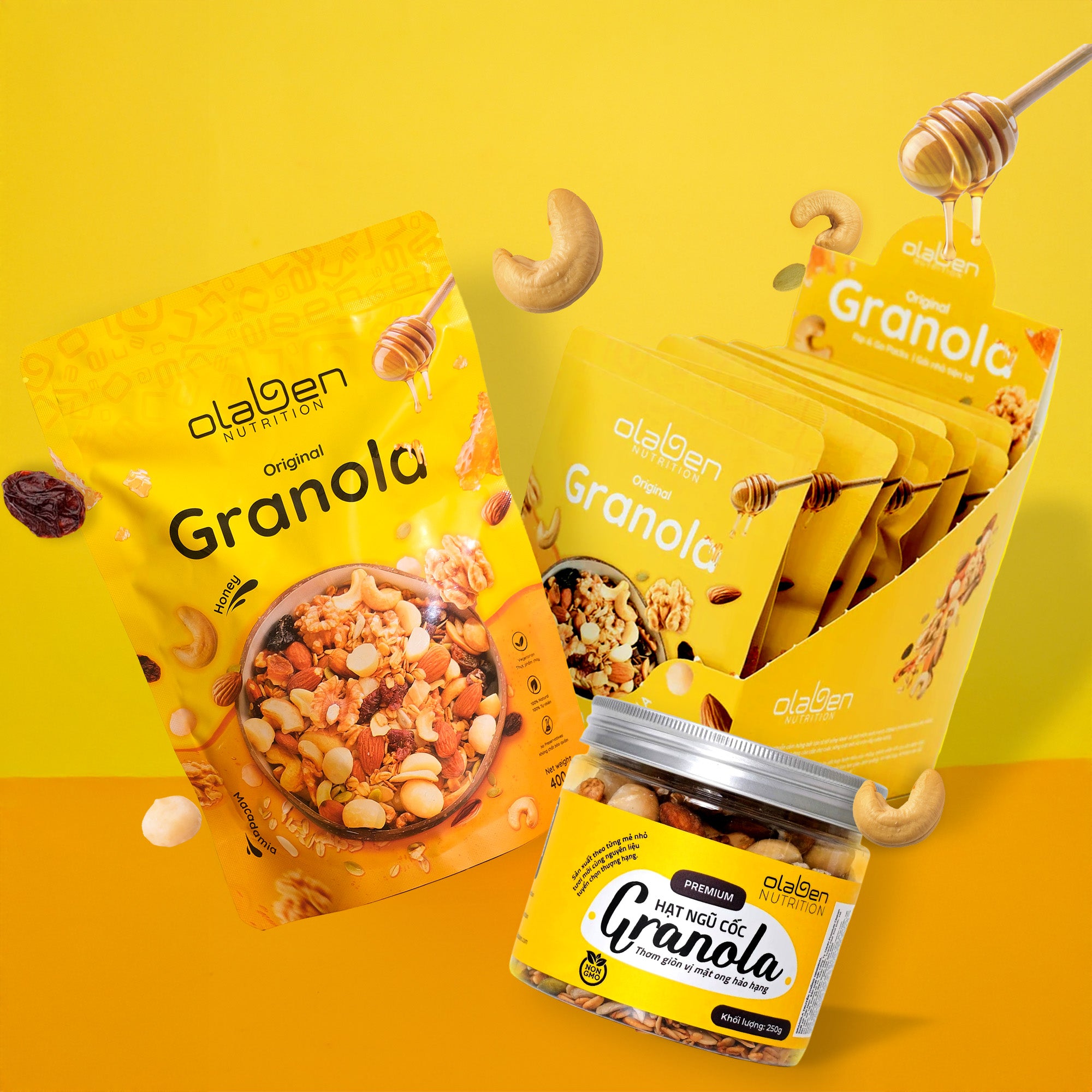
 Image generated with AI — may not represent the actual product.
In short
Coconut sugar and honey are not diet sugars. The ones that actually cut calories, how they behave in the body, and the honest caveats on each.
The Olaben Kitchen shares recipes and food inspiration only. This is not medical or nutritional advice. If you have a health condition, allergies or specific dietary needs, please consult a qualified professional.
“Diet sugar” is one of the most misunderstood terms on the shelf. Coconut sugar, honey and date syrup get sold as healthy swaps, but they are still sugar, with roughly the same calories and the same effect on your blood sugar. The sweeteners that genuinely cut calories are a different group, and each has a catch. Here is the honest sorting.
First: the “natural sugars” that are still sugar
Coconut sugar, honey, maple syrup, date syrup and brown sugar are often marketed as healthier. In small ways they can be: honey and coconut sugar carry a trace of minerals, and some have a slightly lower glycemic index than white sugar. But make no mistake, they are sugar. They have similar calories (around 4 per gram) and raise blood sugar. Swapping white sugar for honey is a flavour choice, not a calorie or diet one.
If your goal is fewer calories or steadier blood sugar, these are not the answer. The group below is.

The genuinely low- or zero-calorie sweeteners
These fall into two families.
Natural, low or zero calorie:
|
Sweetener |
Calories |
Notes |
|
Stevia |
~0 |
Plant-derived; can have a liquorice-like aftertaste |
|
Monk fruit |
~0 |
Clean taste; often blended with erythritol |
|
Erythritol |
~0 |
A sugar alcohol; mostly not absorbed |
Sugar alcohols (partial calories):
|
Sweetener |
Notes |
|
Xylitol |
About 40% fewer calories than sugar; toxic to dogs |
|
Sorbitol, maltitol |
Partial calories; most likely to cause GI upset |
Artificial, zero calorie: aspartame, sucralose, saccharin. Long-approved by food safety authorities within daily limits, and useful for zero calories, though some people prefer to avoid them on taste or preference.
The catches, honestly
Sugar alcohols can upset your stomach. Erythritol, xylitol, sorbitol and maltitol are not fully absorbed, and in larger amounts they can cause bloating, gas and a laxative effect. Erythritol is the best tolerated; maltitol and sorbitol the least. Start small.
Xylitol is dangerous to dogs. Even small amounts are toxic to them. Keep xylitol products away from pets, the same caution as macadamia nuts.
“Zero calorie” is not a licence. Sweeteners can keep a taste for very sweet things alive, and products sweetened with them are not automatically healthy, they are just lower in sugar. The label still matters, as always, covered in reading a nutrition label.
Safety: the artificial sweeteners approved by food authorities are considered safe within their daily limits for the general population. The honest position is that they are safe as approved, and also that the best long-term move is to get used to less sweetness overall, rather than swapping one intense sweet for another.

The simplest approach
Before reaching for any sweetener, the most useful habit is to need less sweetness. Palates adjust: cut added sugar gradually and foods start tasting sweet enough on their own. That is the logic behind choosing a low-sugar granola and letting fruit sweeten your oats rather than adding syrup. When you do want a sweetener, stevia, monk fruit or erythritol are the genuinely low-calorie picks, used in moderation.
FAQ
Is coconut sugar better than white sugar?
Barely. It has a trace of minerals and a slightly lower glycemic index, but it has similar calories and still raises blood sugar. It is sugar, not a diet sweetener.
Which sweeteners are actually zero calorie?
Stevia, monk fruit, erythritol, and the artificial ones (aspartame, sucralose). Honey, coconut sugar and maple syrup are not.
Are sugar alcohols safe?
Yes, but they can cause bloating and a laxative effect in larger amounts, erythritol least, maltitol and sorbitol most. Xylitol is toxic to dogs.
Are artificial sweeteners safe?
Food safety authorities consider them safe within daily limits. Some people avoid them by preference; that is a personal choice.
What is the healthiest way to cut sugar?
Gradually get used to less sweetness overall, and let whole foods and fruit do the sweetening. Low-calorie sweeteners help, but needing less is the durable fix.
General information, not medical advice.
More from the kitchen
 Plant-Based Eating: Protein and the Nutrients to WatchYou can get enough protein on a plant-based diet, and the complete-protein rule is…
 What to Eat with Diarrhea: Gentle Foods and What to AvoidHydration matters more than any food, then gentle, low-fibre foods while you recover. What…
 Green Tea: Real Benefits, Caffeine, and the Weight-Loss TruthGreen tea is a genuinely good drink with one heavily oversold claim. The antioxidants,…