
Macadamia Nuts: Benefits, Calories, and Why They’re the Rich One
 Image generated with AI — may not represent the actual product.
In short
Macadamias are the luxury nut: buttery, rich, and the most calorie-dense of the common nuts by a clear margin. That richness is the whole story, both the appeal and the caveat.
The Olaben Kitchen shares recipes and food inspiration only. This is not medical or nutritional advice. If you have a health condition, allergies or specific dietary needs, please consult a qualified professional.
Macadamias are the luxury nut: buttery, rich, and the most calorie-dense of the common nuts by a clear margin. That richness is the whole story, both the appeal and the caveat.
The numbers, and why they look alarming
Per 28g (about 10 to 12 nuts): roughly 204 calories, 2g protein, 2g fibre, 21g fat.
That is the highest calorie count of any common nut, and the fat number looks dramatic. But the composition is the point: macadamias are around 80% monounsaturated fat, the highest proportion of any nut. That is the same type of fat that dominates olive oil, and it is the kind associated with heart health rather than harm.
So the honest framing is not “high fat, avoid.” It is “high fat, mostly the good kind, and calorie-dense, so the portion is small.” Ten or twelve nuts, not a bowl.

What they are good for
Heart-friendly fats. The monounsaturated fat, including a fair amount of palmitoleic acid, is the reason macadamias, in moderation, fit a heart-healthy pattern. Like other nuts, they carry the qualified US health claim at about 43g a day, though at macadamia’s calorie density that 43g is a lot of calories, so most people should think in smaller portions.
Satisfaction from richness. A few macadamias satisfy in a way a low-fat snack does not. Used sparingly, that richness is useful: it makes a small portion feel like enough.
Minerals and antioxidants. They contribute manganese, thiamine and some antioxidants. A supporting benefit, not a headline.
What they are not is a food to eat freely. The calorie density is real, and honesty serves you better than enthusiasm here.
The portion reality
This is the one nut where portion discipline matters most, simply because each nut carries more calories than its neighbours. A 28g serving of macadamias is 204 calories against roughly 157 for cashews and 164 for almonds. Not a huge gap per gram, but macadamias are moreish and large, so the count climbs fast.
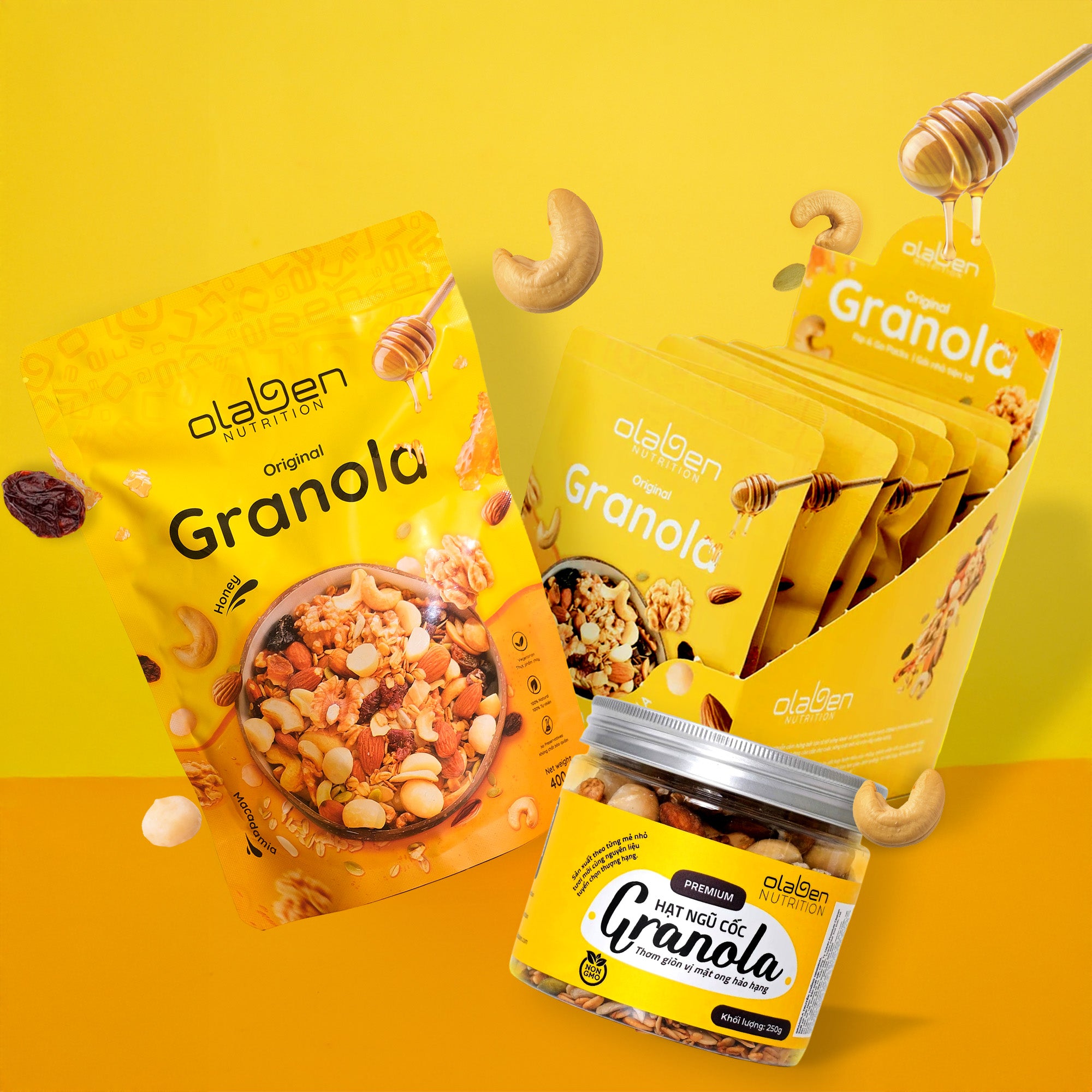
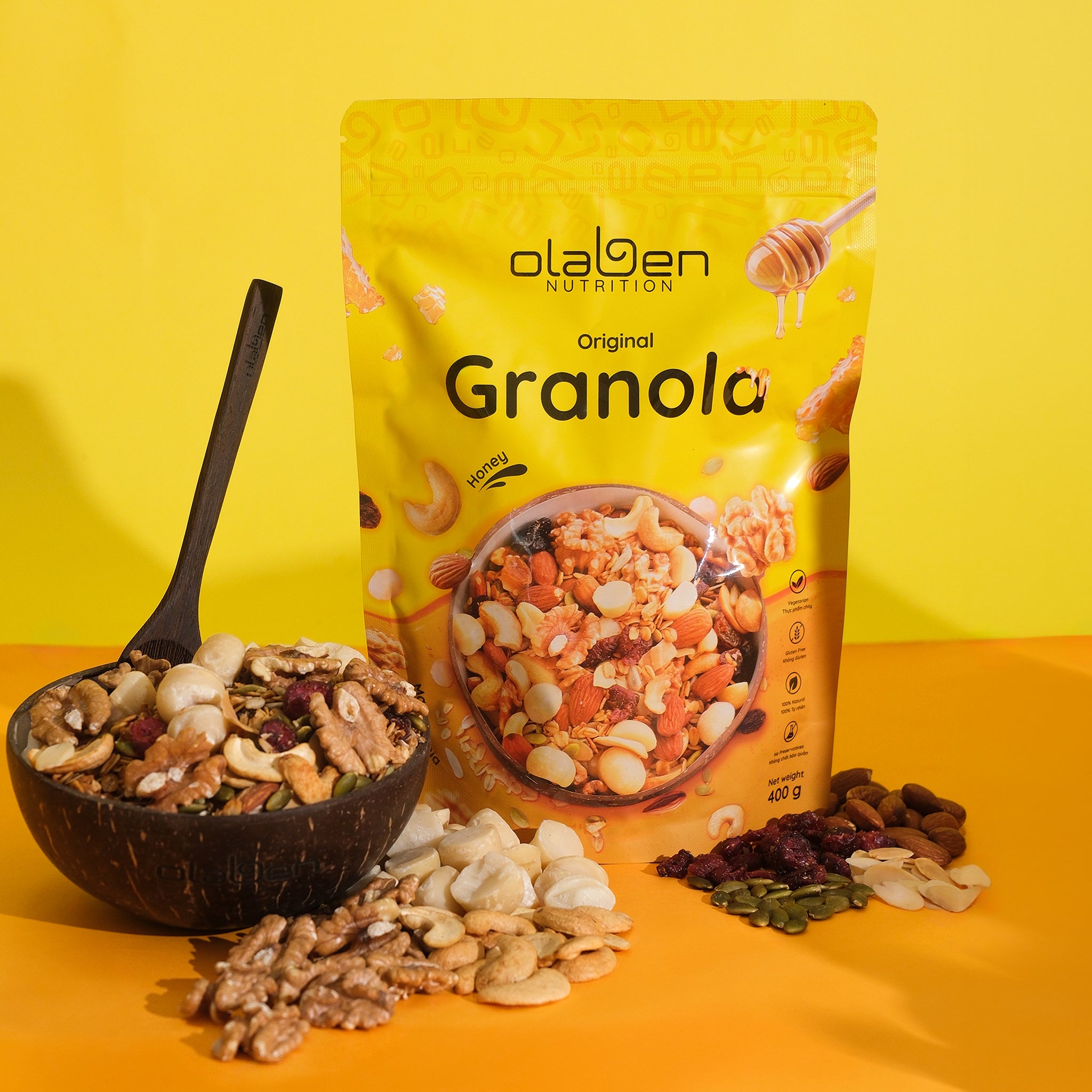
The practical approach: treat macadamias as an accent, not a base. In a trail mix, a few macadamias add richness among cheaper, higher-fibre nuts, which is exactly the role they play best. Our peeled Australian macadamia is best enjoyed this way, a small handful at a time.

One caution most articles skip
Macadamias are toxic to dogs. Even a small amount can make a dog ill. Harmless to people, genuinely dangerous to pets, and worth knowing if you drop a few on the kitchen floor. The usual human cautions also apply: tree nut allergy, and portion for anyone watching calories.
Quick reference
|
|
Per 28g |
|
Calories |
~204 (highest of common nuts) |
|
Protein |
2g |
|
Fibre |
2g |
|
Fat |
21g, ~80% monounsaturated |
|
Best role |
Accent, not base |
FAQ
Are macadamia nuts healthy?
Yes, in a small portion. The fat is mostly the heart-healthy monounsaturated kind. They are also the most calorie-dense nut, so portion is the whole game.
How many macadamia nuts per day?
A serving is about 28g, roughly 10 to 12 nuts. Given the calorie density, that is a sensible ceiling for a daily snack.
Why are macadamias so high in calories?
They are the fattiest common nut, around 21g of fat per 28g. Most of it is healthy monounsaturated fat, but fat is calorie-dense whatever kind it is.
Are macadamias good for weight loss?
They are satisfying, which can help you stop at a small portion. But they are the highest-calorie nut, so they are easy to overdo. Portion decides it.
Can dogs eat macadamia nuts?
No. Macadamias are toxic to dogs even in small amounts. Keep them out of reach of pets.
General information, not medical advice. Values are typical and vary by product.
More from the kitchen
 Plant-Based Eating: Protein and the Nutrients to WatchYou can get enough protein on a plant-based diet, and the complete-protein rule is…
 What to Eat with Diarrhea: Gentle Foods and What to AvoidHydration matters more than any food, then gentle, low-fibre foods while you recover. What…
 Green Tea: Real Benefits, Caffeine, and the Weight-Loss TruthGreen tea is a genuinely good drink with one heavily oversold claim. The antioxidants,…