
Matcha Latte: Benefits, Caffeine, Calories, and the Method
 Image generated with AI — may not represent the actual product.
In short
Matcha is powdered whole green tea, so it is more concentrated than a steeped cup. The caffeine, the real latte calories, and the no-bitterness method.
The Olaben Kitchen shares recipes and food inspiration only. This is not medical or nutritional advice. If you have a health condition, allergies or specific dietary needs, please consult a qualified professional.
Matcha is green tea in a more concentrated form: instead of steeping leaves and throwing them away, you grind the whole leaf to powder and drink all of it. That is why it is stronger in flavour, caffeine and antioxidants than a normal cup of green tea. Here is what it actually does, how much caffeine and how many calories are really in a matcha latte, and how to make one without the bitterness that puts people off.
What matcha is
Matcha is shade-grown green tea leaves ground into a fine powder. Because you consume the whole leaf rather than an infusion, a serving is more concentrated than steeped green tea in the compounds people care about: caffeine, the amino acid L-theanine, and catechin antioxidants (notably EGCG).
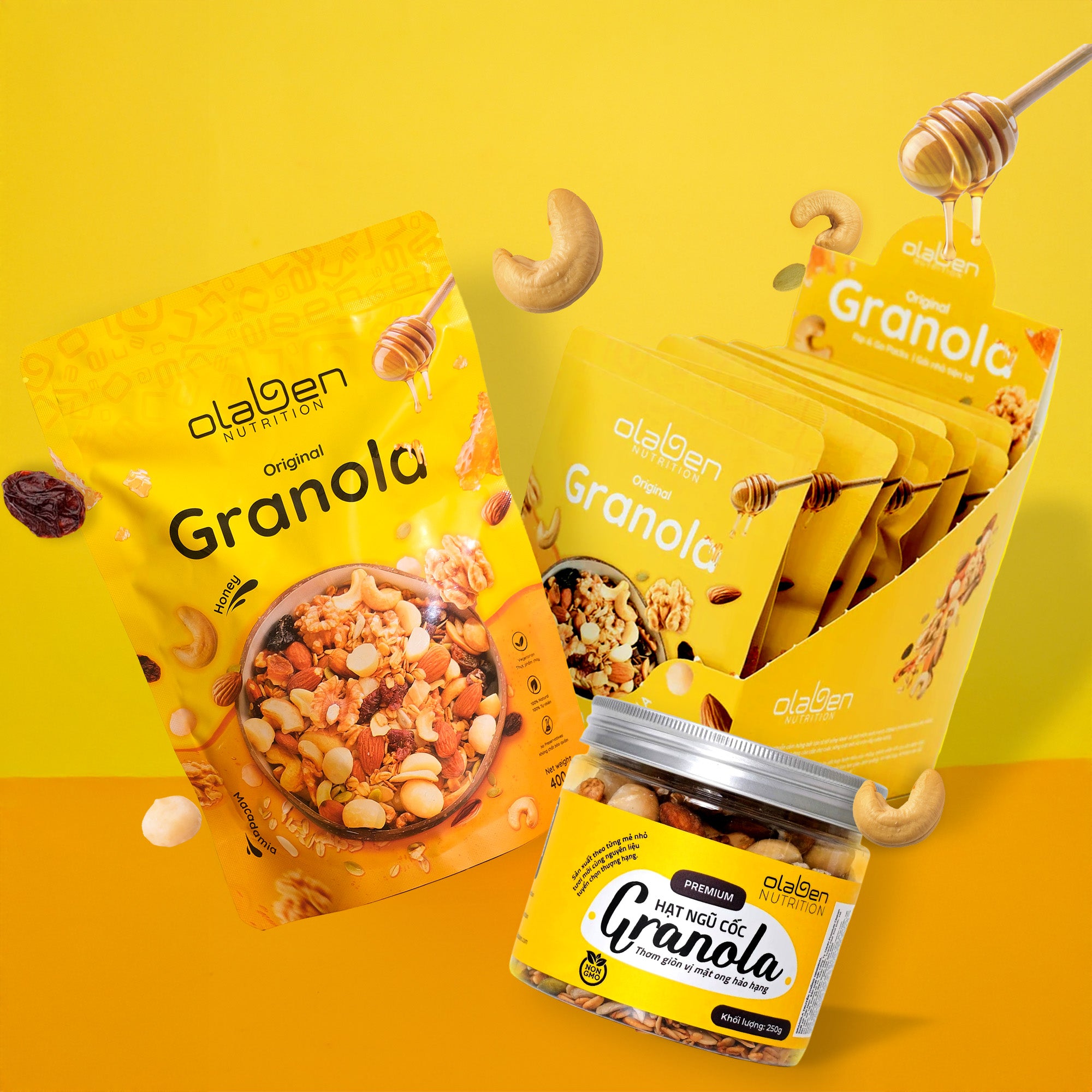
There are two grades. Ceremonial matcha is smoother and made for drinking plain. Culinary matcha is stronger and made for lattes, baking and blending, which is also why it works stirred into food like our Matcha granola.

Caffeine: less than coffee, but different
A typical serving of matcha (1 to 2g) has roughly 60 to 70mg of caffeine, less than a cup of coffee (around 95mg) but more than steeped green tea.
The more interesting part is L-theanine, an amino acid in the tea leaf that promotes a calm, focused state. Paired with caffeine, it tends to give a steadier lift than coffee, without the same sharp spike and crash. This is a real, pleasant difference, though it is an effect of the drink, not a health claim to lean on.
Because it does contain caffeine, matcha is a daytime drink. If you want something for the evening, a caffeine-free option like brown rice tea or a herbal cup suits better.
What matcha is good for (honestly)
Antioxidants. Matcha is genuinely rich in catechins, and drinking the whole leaf delivers more than steeped tea. This is its strongest, real nutritional point.
Steady alertness from the caffeine and L-theanine combination, as above.
What matcha is not: a fat burner, a detox, or a weight-loss drink. You will see all three claimed, often loudly. The evidence does not support them, and a food or drink brand cannot honestly make them. Matcha is an antioxidant-rich tea with moderate caffeine and a pleasant, steady lift. That is a fair reason to drink it.
How many calories in a matcha latte?
This is the most-asked matcha question, and the honest answer is: it depends almost entirely on what you add.
The matcha itself is near zero, around 3 to 5 calories per serving. All the calories in a matcha latte come from the milk and any sweetener. A plain matcha latte with unsweetened milk might be 60 to 120 calories depending on the milk; a café version with whole milk and sweet syrup can be 200 to 300 or more. The powder is not the issue; the syrup is.
So a matcha latte is as light or as heavy as you make it. Use unsweetened milk, skip or minimise the syrup, and let the matcha carry the flavour.
How to make a matcha latte (without bitterness)
The one mistake that ruins matcha is boiling water. Boiling water scorches the powder and makes it bitter.
- Sift 1 to 2g of matcha into a cup to remove clumps.
- Add a little hot water, around 80°C, not boiling. Whisk into a smooth paste, ideally with a bamboo whisk, or a small regular whisk, or shake in a sealed jar.
- Add warm milk (dairy or plant). Steam or warm it if you want it frothy.
- Sweeten lightly if at all, with a little honey or let the milk’s natural sweetness do it.
For an iced version, whisk the matcha with a little cold water, then pour over milk and ice.

FAQ
Does matcha have caffeine?
Yes, about 60 to 70mg per serving, less than coffee but more than steeped green tea. It also has L-theanine, which gives a steadier lift.
How many calories in a matcha latte?
The matcha itself is near zero. The calories come from milk and sweetener, so a plain unsweetened latte is light and a syrupy café one can be 200 to 300 or more.
Is matcha good for weight loss?
No drink burns fat on its own. A plain, unsweetened matcha latte is low in calories, which can help as a swap for sugary drinks, but the matcha is not a fat burner.
Why is my matcha bitter?
Almost always boiling water. Use water around 80°C, not boiling, and sift the powder first to avoid clumps.
Ceremonial or culinary matcha for a latte?
Culinary grade is made for lattes and cooking and stands up to milk. Ceremonial is smoother and meant for drinking plain.
General information, not medical advice. Values vary by serving and milk.
More from the kitchen
 GuidesHow to Make Brown Rice Milk (Naturally Sweet, Dairy-Free)Rice milk is the most allergy-friendly plant milk: no nuts, no soy, no gluten.…
 High-Fibre Foods: The List and Your Daily TargetMost people eat about half the fibre they need. The foods that fix it,…
 High-Protein Foods: The List and How Much You NeedProtein is the nutrient people most often under-eat at breakfast and snacks. The foods…