
High-Fibre Foods: The List and Your Daily Target
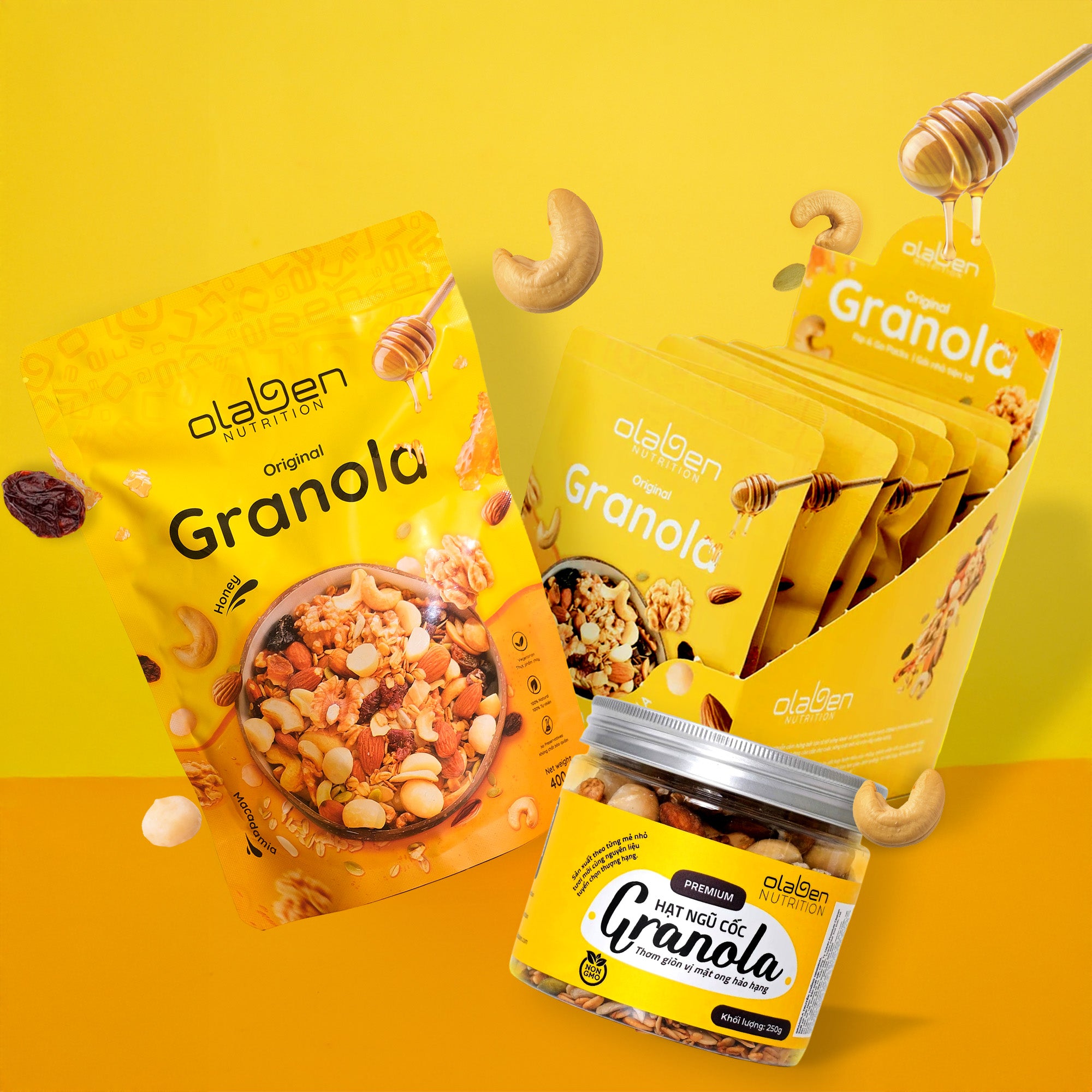
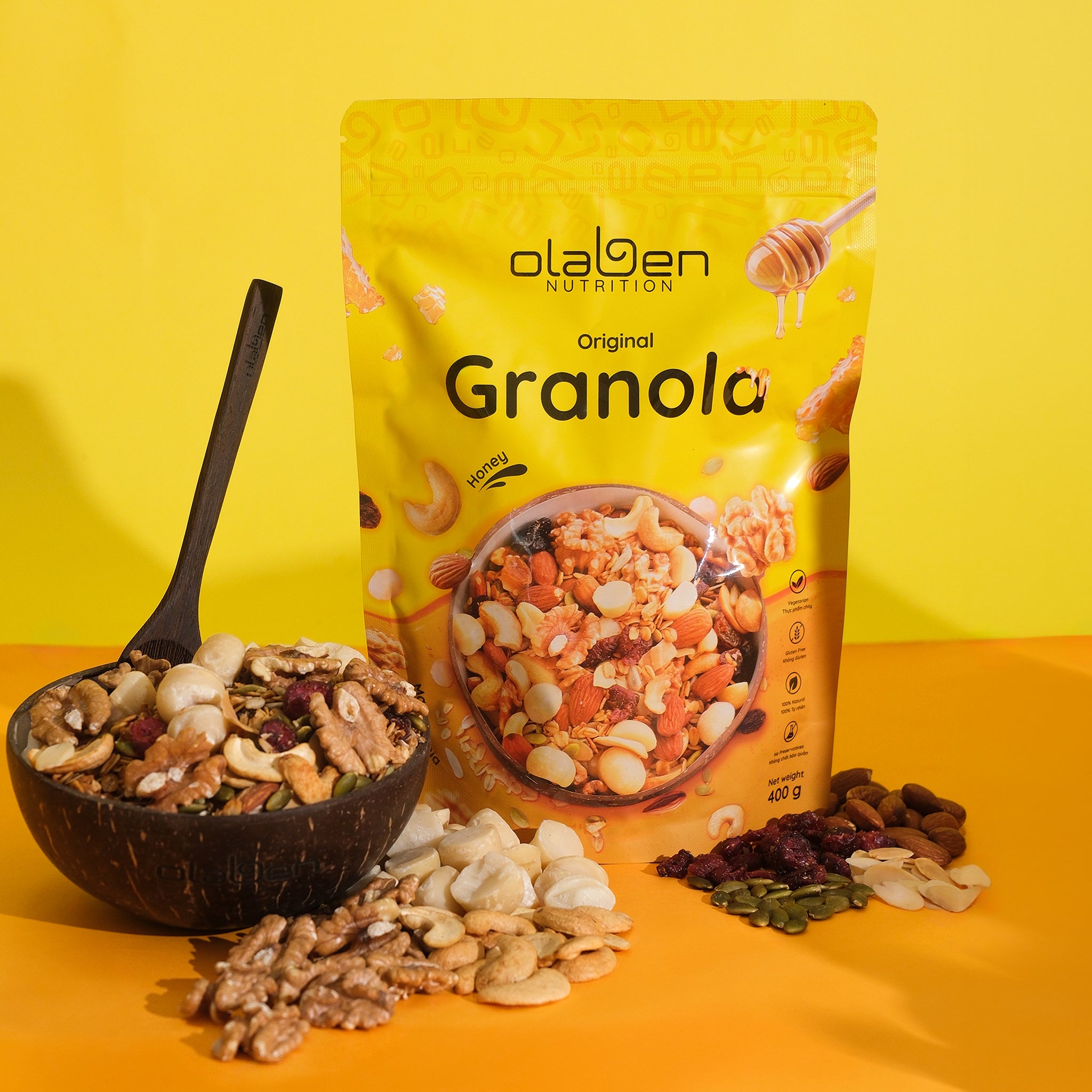
 Image generated with AI — may not represent the actual product.
In short
Most people eat about half the fibre they need. The foods that fix it, the real daily number, and how to add fibre without the bloating.
The Olaben Kitchen shares recipes and food inspiration only. This is not medical or nutritional advice. If you have a health condition, allergies or specific dietary needs, please consult a qualified professional.
Fibre is the nutrient almost everyone is short on. Most people eat around half the recommended amount, and the gap shows up as poor digestion, hunger between meals and less steady blood sugar. The fix is not a supplement; it is a handful of ordinary foods eaten more often. Here is the list, the target, and how to get there without the bloating that catches people out.
How much fibre do you need?
The common daily target is around 25g for women and 38g for men, or roughly 14g per 1,000 calories eaten. Most people manage about half of that.
You do not need to count it. Hitting the target is mostly about including a high-fibre food at each meal rather than tracking grams. If a few of the foods below appear across your day, you are most of the way there.
High-fibre foods, by group
Legumes lead, by a distance:
|
Food |
Fibre (per 100g) |
|
Lentils, beans (cooked) |
~8g |
|
Chickpeas (cooked) |
~7–8g |
|
Edamame |
~8g |
Whole grains:
|
Food |
Fibre |
|
Oats (dry) |
~10g / 100g |
|
Brown rice (cooked) |
~1.8g / 100g |
|
Wholegrain bread |
~6–7g / 100g |
Nuts and seeds:
|
Food |
Fibre (per 28g) |
|
Chia seeds |
~9.8g |
|
Almonds |
~3.5g |
|
Pumpkin seeds |
~1.7g |
Fruit and vegetables: most whole fruit and vegetables carry 2 to 4g per portion, with the skins holding much of it. Berries, pears, apples with skin, and leafy greens are among the higher ones.
Two standouts for adding fibre easily: oats at breakfast (about 10g per 100g dry, and the soluble beta-glucan kind, covered in what oats do for you) and chia seeds, which pack nearly 10g into two tablespoons, detailed in chia seeds benefits.

Soluble vs insoluble (briefly)
Both matter and most foods have some of each. Soluble fibre (in oats, beans, chia) forms a gel that slows digestion, steadies blood sugar and lowers cholesterol. Insoluble fibre (in wholegrains, vegetable skins, nuts) adds bulk and keeps things moving. You do not need to balance them deliberately; eating a variety covers both. The full explainer is in fibre, simply explained.
Add it slowly, and drink water
This is the part that catches people out. If you jump from low fibre to a high-fibre day overnight, the result is bloating and gas while your gut adjusts. It is temporary and avoidable.
Increase fibre over a week or two, and drink more water. Fibre needs fluid to do its job comfortably; without enough water, more fibre can worsen constipation rather than ease it. Add one high-fibre food at a time and let your gut catch up.

A simple day that hits the target
|
Meal |
High-fibre option |
|
Breakfast |
Oats or granola with chia and fruit |
|
Snack |
A handful of nuts, or fruit with skin |
|
Lunch |
Beans or lentils with the meal, plenty of vegetables |
|
Snack |
Wholegrain crackers or a brown rice bar |
|
Dinner |
A whole grain, vegetables, a protein |
Nothing exotic. Fibre targets are met with ordinary foods, spread across the day.
FAQ
How much fibre per day?
About 25g for women and 38g for men. Most people eat roughly half that, so the aim is to close the gap.
What foods are highest in fibre?
Legumes lead (lentils, beans, chickpeas), then whole grains like oats, then chia and other seeds, plus fruit and vegetables with skins.
How do I add fibre without bloating?
Increase it gradually over a week or two and drink more water. A sudden jump causes gas while your gut adjusts.
Is fibre good for weight loss?
It helps by keeping you fuller for longer, which supports eating less. High-fibre foods also tend to be more filling per calorie.
Do I need a fibre supplement?
Most people can hit the target with food: oats, beans, chia, fruit and vegetables. Whole foods bring other nutrients a supplement does not.
General information, not medical advice.
More from the kitchen
 GuidesMatcha Latte: Benefits, Caffeine, Calories, and the MethodMatcha is powdered whole green tea, so it is more concentrated than a steeped…
 GuidesHow to Make Brown Rice Milk (Naturally Sweet, Dairy-Free)Rice milk is the most allergy-friendly plant milk: no nuts, no soy, no gluten.…
 High-Protein Foods: The List and How Much You NeedProtein is the nutrient people most often under-eat at breakfast and snacks. The foods…