
What Is Kombucha? Benefits, Caffeine, Sugar, and Caveats
 Image generated with AI — may not represent the actual product.
In short
Kombucha is fermented sweet tea with live cultures. What is genuinely in it, the honest state of the evidence, and the caffeine, sugar and alcohol most people miss.
The Olaben Kitchen shares recipes and food inspiration only. This is not medical or nutritional advice. If you have a health condition, allergies or specific dietary needs, please consult a qualified professional.
Kombucha is everywhere now, sold as a health drink with a long list of promises. Most of those promises run ahead of the evidence. What kombucha actually is, though, is interesting and worth understanding, along with three things it contains that the marketing tends to skip: caffeine, sugar and a trace of alcohol.
What kombucha is
Kombucha is sweetened tea that has been fermented by a SCOBY, a “symbiotic culture of bacteria and yeast.” You brew sweet tea, add the culture, and over one to two weeks the bacteria and yeast eat most of the sugar and produce organic acids, carbon dioxide (the fizz), a small amount of alcohol, and live microbes. The result is tangy, lightly fizzy, and much less sweet than the tea it started as.
So at its core kombucha is a fermented drink, in the same family as yogurt or sauerkraut: a food transformed by live cultures.
What is genuinely in it
- Live bacteria and yeast (probiotics), the headline ingredient.
- Organic acids from fermentation (acetic and gluconic acid), which give the tang.
- Antioxidants (polyphenols) carried over from the tea.
- Some residual sugar, left after fermentation.
- Caffeine, from the tea base.
- A trace of alcohol, a by-product of fermentation.
Those last three are the honest part most articles leave out, covered below.

What the evidence actually says
Here is where honesty matters. Kombucha is often credited with improving digestion, immunity, detox, and more. The truth is that direct human evidence for kombucha specifically is limited and early. Most of the claims are extrapolated from research on probiotics or fermented foods in general, or from animal and test-tube studies, not from trials of kombucha itself.
That does not make kombucha worthless. Fermented foods with live cultures are a reasonable part of a varied diet, and kombucha is a pleasant, lower-sugar alternative to soft drinks. But it is a nice fermented drink with modest, mostly unproven benefits, not a cure or a detox. A food brand cannot honestly say otherwise, and neither will we.
The three things the marketing skips
Sugar. Kombucha starts as sweet tea, and some sugar remains after fermentation. Many commercial kombuchas are low in sugar, but some are surprisingly high, closer to a soft drink. Check the label per 100ml, the same habit as in our nutrition label guide.
Caffeine. Because it is made from tea, kombucha contains caffeine, usually less than a cup of tea but not zero. If you are sensitive to caffeine, it is not a free evening drink. For caffeine-free, a herbal option like brown rice tea is a better fit.
Alcohol. Fermentation produces a trace of alcohol. Commercial kombucha is kept below 0.5%, which is why it is sold as a soft drink, but home-brewed kombucha can be higher. It is a trace, but it is the reason some people should be careful (below).
Who should be careful
- Pregnant and breastfeeding people, because of the trace alcohol and, for home brews, the unpasteurised cultures. Worth checking with a doctor.
- People very sensitive to caffeine.
- Anyone immunocompromised, who should be cautious with live, unpasteurised cultures.
- Home brewers, where contamination is a real risk if hygiene or acidity is off (see how to brew kombucha).
For most healthy adults, kombucha in normal amounts is a fine, enjoyable drink.

FAQ
Is kombucha good for you?
It is a fermented drink with live cultures and some antioxidants, and a lower-sugar swap for soft drinks. Direct evidence for specific health benefits is limited, so enjoy it as a nice drink, not a cure.
Does kombucha have caffeine?
Yes, from the tea base, usually less than a cup of tea but not zero. Caffeine-sensitive people should note this.
Does kombucha contain alcohol?
A trace, from fermentation. Commercial kombucha stays under 0.5%. Home brews can be higher.
Is kombucha high in sugar?
It varies. Some are low, some are close to a soft drink. Check the label per 100ml.
Can pregnant women drink kombucha?
Best to check with a doctor, because of the trace alcohol and, for home brews, unpasteurised cultures.
General information, not medical advice. Values vary by product.
More from the kitchen
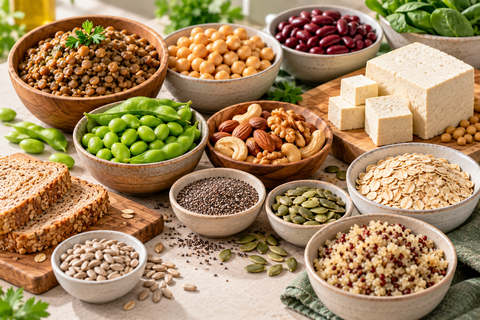 Plant-Based Eating: Protein and the Nutrients to WatchYou can get enough protein on a plant-based diet, and the complete-protein rule is…
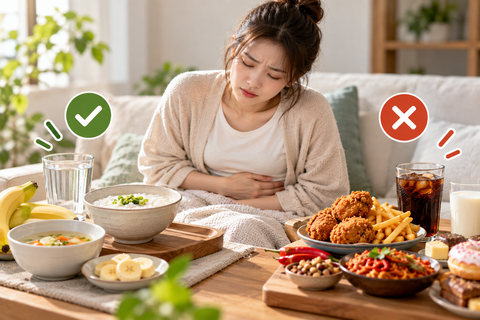 What to Eat with Diarrhea: Gentle Foods and What to AvoidHydration matters more than any food, then gentle, low-fibre foods while you recover. What…
 Green Tea: Real Benefits, Caffeine, and the Weight-Loss TruthGreen tea is a genuinely good drink with one heavily oversold claim. The antioxidants,…