
What to Eat for Constipation: Foods That Actually Help
 Image generated with AI — may not represent the actual product.
In short
Fibre helps constipation, but only with enough water, and some foods have real evidence. The foods that work, the ones oversold, and the honest rule.
The Olaben Kitchen shares recipes and food inspiration only. This is not medical or nutritional advice. If you have a health condition, allergies or specific dietary needs, please consult a qualified professional.
Constipation is common, usually not serious, and often improved by a few changes to what and how you eat and drink. The standard advice, “eat more fibre,” is right but incomplete, because fibre without enough water can make things worse, not better. Here is what actually helps, which foods have real evidence, and the rule that ties it together.
This is general information for everyday, occasional constipation. Persistent constipation, or any with pain, bleeding or sudden change, is a reason to see a doctor.
The rule: fibre plus fluid, increased slowly
Fibre works by adding bulk and holding water in the stool, which makes it softer and easier to pass. That only works if there is enough water to hold. Fibre without fluid can bulk up the stool and make it harder, the opposite of what you want.
So the rule has three parts: 1. More fibre, from the foods below. 2. More water, so the fibre can do its job. 3. Increased gradually, over a week or two, to avoid bloating and gas while your gut adjusts.
This is the same mechanism explained in our fibre guide, and it is the part most “eat more fibre” advice leaves out.

Foods with real evidence
Some foods are not just high in fibre, they have specific evidence for constipation:
- Prunes (dried plums). The best-evidenced food here. They combine fibre with sorbitol, a sugar alcohol that draws water into the gut. Studies have found prunes effective, and often more so than fibre supplements. A handful is a sensible amount.
- Kiwi. Several studies support kiwi for regularity. Two kiwis a day is the amount commonly used.
- Oats and oat bran. The beta-glucan and fibre add soft bulk. See what oats do for you.
- Chia and flax seeds. High in soluble fibre that holds water, best taken soaked and with plenty of fluid, as in chia pudding.
- Beans, lentils and other legumes. Among the highest-fibre foods there are.
Foods and habits that help more generally
- Fruit and vegetables with the skin on, for both fibre types.
- Whole grains over refined: brown rice, wholegrain bread, oats.
- Water throughout the day. The simplest lever, and the one most often neglected.
- Movement. Physical activity helps the gut move; it is not just about food.
- Warm drinks in the morning can help get things going for some people.
What is oversold
- “Detox” teas and products. Many work by containing senna or similar stimulant laxatives, which are not a food-based fix and can cause dependence with regular use. A detox label does not make them gentle.
- Fibre supplements as a first resort. They can help, but whole foods bring fibre plus water-holding sugars, nutrients and other benefits. Food first.
- Any single “miracle” food. Prunes and kiwi have real evidence, but constipation usually responds to the whole pattern, fibre, fluid, movement, not one item.

A simple day for regularity
|
Meal |
Helpful choice |
|
Breakfast |
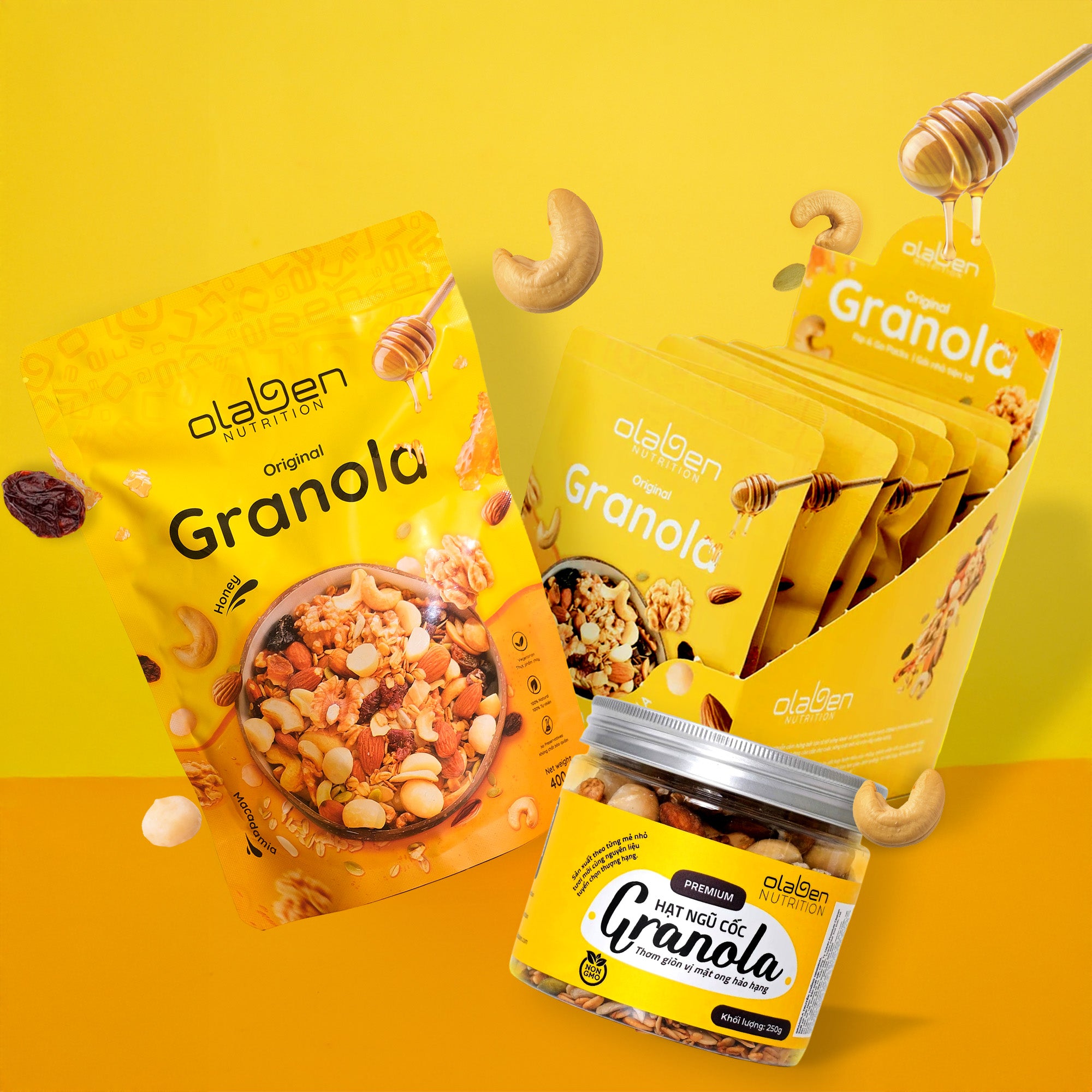
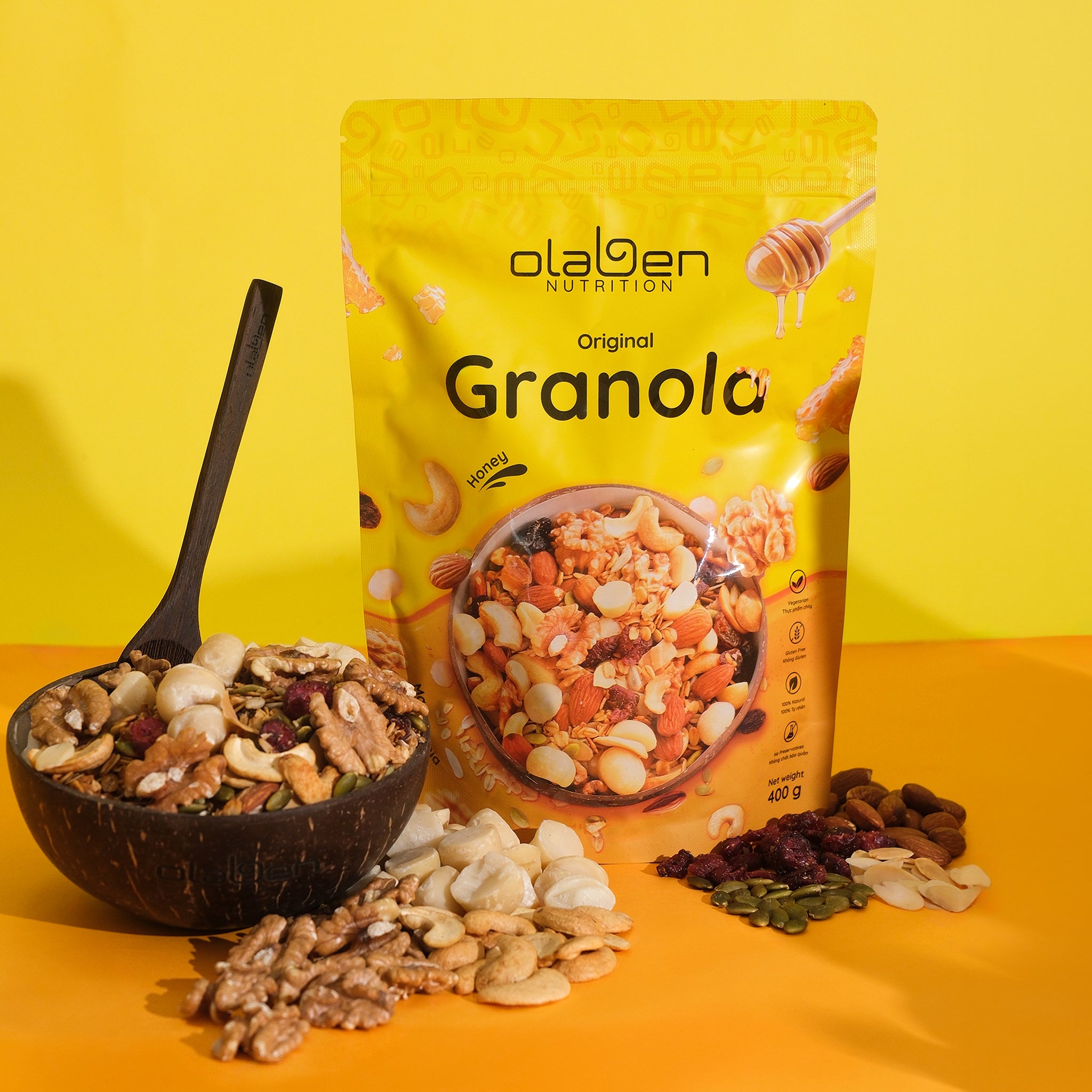
Oats or granola with chia and fruit |
|
Snack |
A few prunes, or two kiwis |
|
Lunch |
Beans or lentils, plenty of vegetables |
|
Through the day |
Water, regularly |
|
Dinner |
Whole grain, vegetables, a protein |
FAQ
What foods help constipation fast?
Prunes are the best-evidenced, combining fibre and sorbitol. Kiwi, oats, chia, beans and plenty of water all help. Increase fibre gradually and drink more water.
Why does fibre sometimes make constipation worse?
Fibre needs water to soften the stool. More fibre without more fluid can bulk it up and make it harder. Always pair fibre with water.
Are detox teas good for constipation?
Many contain stimulant laxatives like senna, which are not a food-based fix and can cause dependence with regular use. Food, fluid and movement are the better first step.
How much water should I drink?
Enough that your fibre intake has fluid to work with, spread through the day. Most adults need roughly 1.5 to 2.5 litres from all drinks and food, more in heat.
When should I see a doctor?
If constipation is persistent, or comes with pain, bleeding, or a sudden change in your normal pattern, see a doctor rather than self-treating.
General information, not medical advice.
More from the kitchen
 Plant-Based Eating: Protein and the Nutrients to WatchYou can get enough protein on a plant-based diet, and the complete-protein rule is…
 What to Eat with Diarrhea: Gentle Foods and What to AvoidHydration matters more than any food, then gentle, low-fibre foods while you recover. What…
 Green Tea: Real Benefits, Caffeine, and the Weight-Loss TruthGreen tea is a genuinely good drink with one heavily oversold claim. The antioxidants,…