
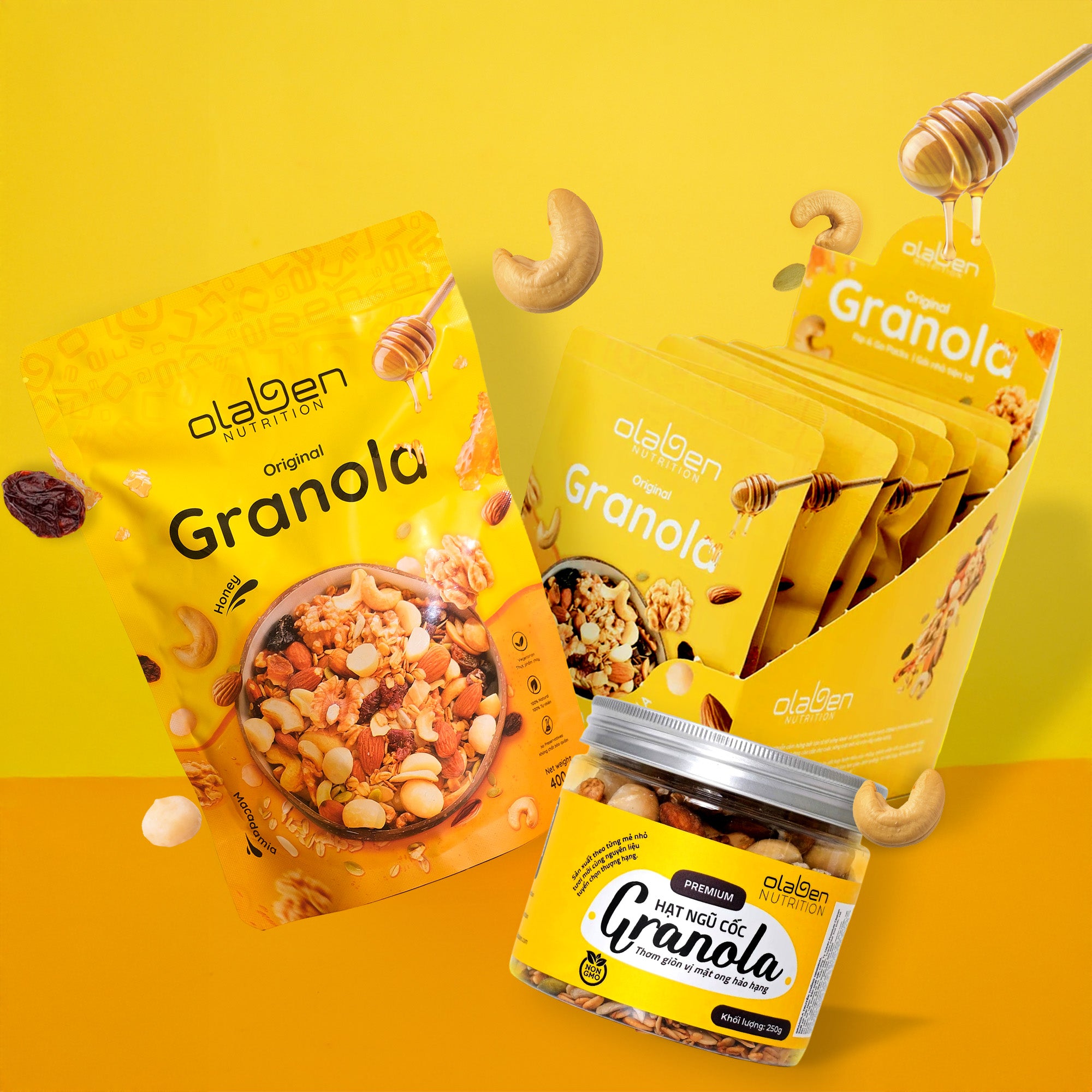
7-Day Weight-Loss Meal Plan (Realistic and Sustainable)
 Image generated with AI — may not represent the actual product.
In short
Weight loss is a calorie deficit you can keep up, not a magic menu. A sample 7-day plan built on protein, fibre and whole foods, plus how to adjust it.
The Olaben Kitchen shares recipes and food inspiration only. This is not medical or nutritional advice. If you have a health condition, allergies or specific dietary needs, please consult a qualified professional.
General information, not medical or dietary advice. If you have a health condition or need a specific calorie target, speak to a doctor or dietitian.
A meal plan does not cause weight loss. A calorie deficit does, one you can actually keep up. A plan just makes the deficit easier by taking the daily decisions off your plate and keeping you full enough to stick with it. So the useful plan is not the strictest one; it is the one built on filling, whole foods you will still be eating in month three. Here is a realistic sample week and, more importantly, how to adjust it to you.
The principles first (the plan is just an example)
Before the menu, the four things that actually make it work:
- A modest deficit. Eat somewhat less than you burn. Modest is the point; very low-calorie crash diets backfire, costing muscle and ending in rebound. Slower is more durable.
- Protein at every meal. Protein keeps you full and protects muscle while you lose fat. It is the single most useful lever, covered in high-protein foods.
- Fibre and volume. Vegetables, fruit, whole grains and legumes fill you up for few calories, the reasoning in high-fibre foods.
- Portion the calorie-dense foods. Nuts, oils, granola are healthy but energy-dense, so measure them rather than pour.
The menu below is one example of those principles, not a prescription. Swap meals you dislike for ones that follow the same shape.

The 7-day sample plan
Each day: a protein-and-fibre breakfast, a light snack, a balanced lunch and dinner. Portions are a starting point; adjust to your own needs.
|
Day |
Breakfast |
Lunch |
Snack |
Dinner |
|
1 |
Oats with Greek yogurt and berries |
Chicken, brown rice, vegetables |
A handful of nuts |
Fish, salad, sweet potato |
|
2 |
Granola over yogurt and fruit |
Lentil and vegetable bowl |
An apple |
Tofu stir-fry with brown rice |
|
3 |
Eggs, wholegrain toast, tomato |
Chicken salad, chickpeas |
Lean beef, vegetables, rice |
|
|
4 |
Oats with nut butter and banana |
Tuna, wholegrain wrap, salad |
A pear + a few nuts |
Fish, vegetables, quinoa |
|
5 |
Greek yogurt, granola, fruit |
Bean and vegetable soup + bread |
Boiled eggs |
Chicken, salad, sweet potato |
|
6 |
Smoothie with oats, yogurt, fruit |
Tofu bowl with brown rice |
Prawns, vegetables, rice |
|
|
7 |
Eggs and vegetables |
Leftover protein + big salad |
A handful of nuts |
Light dinner, soup and protein |
Drink water through the day, and keep sugary drinks out; they are empty calories that do not fill you.
How to adjust it
- Still hungry? Add more vegetables and protein, not more refined carbohydrate. Volume from whole foods is nearly free.
- Losing too fast or exhausted? Eat a bit more. Rapid loss is not better and usually is not fat.
- Plateaued? Weight loss is rarely linear; hold the pattern for two or three weeks before changing anything.
- Hate a meal? Swap it for one with the same shape: a protein, a fibre, a controlled carbohydrate.

What this plan deliberately avoids
No “detox” days, no skipping meals to nothing, no single fat-burning food. None of those work, and the very low-calorie versions cost you muscle and end in rebound. A plan you can keep for months beats a strict one you quit in a week. For why spot-reduction and belly-fat tricks do not work, see how to actually lose belly fat.
FAQ
How much weight can I lose in 7 days?
Safely, not much pure fat, and that is normal. Early drops are largely water. Aim for steady loss over months, not a week.
Do I have to count calories?
Not necessarily. Building meals around protein and fibre, with portioned calorie-dense foods, creates a deficit for most people without strict counting.
Can I eat granola or nuts on a weight-loss plan?
Yes, in measured portions. They are filling and nutritious; the trap is pouring rather than measuring, because they are calorie-dense.
Is skipping meals a good way to lose weight?
Not usually. It tends to lead to overeating later. Regular, protein-rich meals keep hunger steadier.
Why have I stopped losing weight?
Plateaus are normal and weight is not linear. Hold the pattern a few weeks, check portions of calorie-dense foods, and be patient before changing things.
General information, not medical advice.
More from the kitchen
 How to Lose Belly Fat: What Works and What Doesn’tYou can’t spot-reduce belly fat, and no tea or ab workout changes that. What…
 Iron-Rich Foods: The List and How to Absorb MoreEating iron is only half the job; absorbing it is the other half. The…
 GuidesWinter Melon Tea with Chia Seeds (Refreshing, Low-Sugar)The classic Vietnamese cooler, made without drowning it in sugar. How to brew winter…